
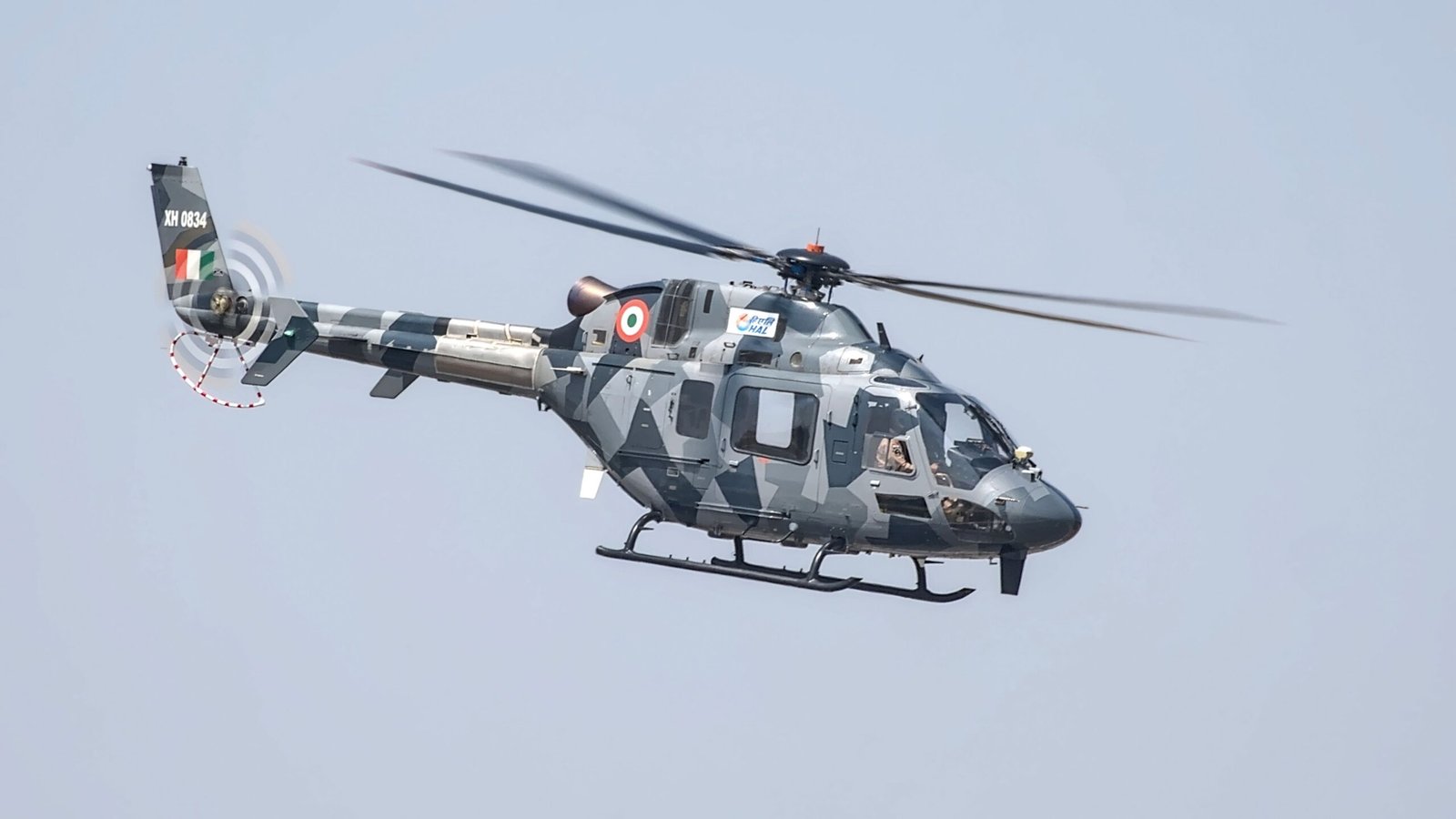
When a factory restarts production, it’s tempting to focus on the number of units rolling out the gate. In the case of HAL’s Nashik facility, that number is 12. HAL is reviving Su-30MKI production there, with the first of 12 new aircraft expected in 2027-28 and the full batch scheduled by 2029, under a ₹11,000 crore programme expected to carry more than 50% indigenous content.
But 12 aircraft isn’t really the most interesting number in this story. The more telling one is that 50%-plus figure because it points to where India’s defence manufacturing journey is actually heading.
A Facility With History, Not Starting From Zero
The Su-30MKI itself is far from new to India. HAL has already produced 222 of these aircraft under licence from Russia, and the Nashik facility has spent years accumulating the manufacturing knowledge, infrastructure and process discipline that a complex fighter aircraft demands. What’s changing now isn’t the aircraft, it’s the depth of Indian content behind it, and that shift changes the nature of the opportunity considerably.
There’s a useful lesson buried in this. Building manufacturing capability doesn’t always mean building a brand-new factory from scratch. Sometimes it means taking existing industrial knowledge infrastructure, people who understand the aircraft, decades of accumulated process experience and pushing it to a higher level of sophistication and local ownership.
From Assembly to Capability
India’s defence manufacturing story is often told through the language of indigenisation, but that word can mean very different things depending on how deep it actually goes. There’s a meaningful difference between assembling a product locally and having the genuine capability to manufacture the systems, components and technologies that make up that product. The second is considerably harder, it requires aerospace-grade suppliers, specialised machining, advanced materials, electronics, sensors, avionics, rigorous testing infrastructure, and the engineering know-how to bring all of it together reliably and repeatably.
That kind of ecosystem doesn’t appear overnight. It gets built, gradually, through programmes like this one. And the Su-30MKI programme is particularly interesting because it isn’t just about restarting aircraft production, the existing fleet is also set for a major upgrade involving new avionics, radars, electronic warfare systems and infrared search-and-track capabilities, with several components expected to come from the private sector, backed by DRDO. That creates a second, parallel manufacturing opportunity running alongside the aircraft production line itself.
The Bigger Factory Is the Supply Chain
It helps to think about everything that sits behind a modern fighter aircraft: aerospace structures, precision-machined components, electrical and electronic systems, radar, sensors, flight-control systems, electronic warfare equipment, specialised materials, harnesses and connectors, testing and calibration infrastructure, tooling and fixtures, and embedded software. The aircraft itself is only the visible end product. The manufacturing ecosystem underneath it is where most of the real industrial value actually sits.
This is why a programme like this can matter far beyond its prime contractor. A major defence programme can give smaller manufacturers the volume, technical rigour and customer confidence needed to invest in better machines, tighter processes and stronger quality systems. It can push suppliers toward tighter tolerances than they’d otherwise pursue. It can create genuine demand for specialised tooling and make aerospace-grade inspection and testing commercially justifiable in a way that smaller, one-off orders never could. And critically, those capabilities rarely stay confined to a single programme once they’re built, they tend to become part of the country’s broader industrial base, available to the next programme, and the one after that.
Manufacturing Insight: Why the Private Sector Is the Real Story Here
One of the most significant details in this programme is the expected involvement of private-sector suppliers in the Su-30MKI upgrade, and this is where the ecosystem effect could be felt most strongly.
No large defence programme gets built by one organisation alone. It needs a deep bench of specialised companies, each excellent at a narrow piece of the puzzle. A company making a precision component may never build a fighter aircraft, and it doesn’t need to, its role is to become exceptionally good at that one critical component, reliably enough to eventually supply it not just to Indian defence programmes, but potentially to global aerospace customers as well. That’s genuinely how a deeper industrial base gets created: not through one company doing everything, but through many companies each becoming world-class at something specific.
The Real Measure of Success
The success of this programme shouldn’t be judged only by whether HAL delivers 12 aircraft by 2029. A more interesting set of questions would be: how many new manufacturing capabilities become commercially viable because of these 12 aircraft? How many suppliers move into aerospace-grade work for the first time? How many invest in better machining and inspection capability as a result? How much more of the aircraft becomes locally manufacturable with each iteration? And how much engineering knowledge stays within the Indian ecosystem once the programme itself is complete?
Those numbers are considerably harder to measure than a delivery count. But they’re likely far more important, because the ultimate objective of defence manufacturing was never simply to build a weapon on Indian soil. It’s to develop an industrial ecosystem capable of designing, manufacturing, upgrading and sustaining complex systems in India on its own terms over the long run.
The aircraft may be the product. The real output could be manufacturing capability itself. That’s why the revival of a production line at Nashik is worth watching closely not for the 12 aircraft it will produce, but for everything it could quietly build underneath them.