
India and the United Kingdom have called on businesses in both countries to expand trade, investment and industrial partnerships under the Comprehensive Economic and Trade Agreement (CETA), with a shared ambition to double bilateral trade by 2030.
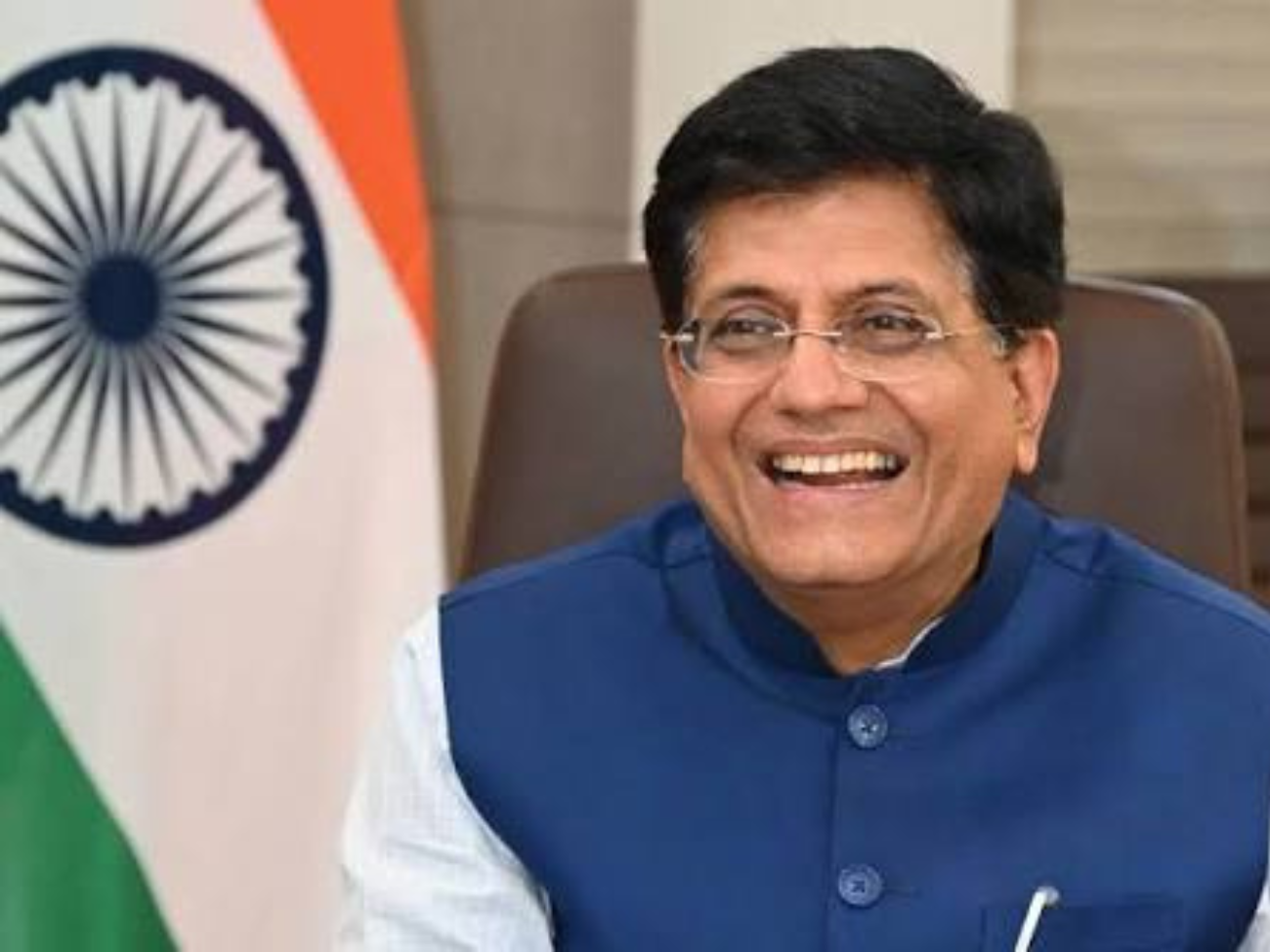
According to a press release issued by the Press Information Bureau (PIB), Union Minister for Commerce and Industry Piyush Goyal highlighted the opportunities created by CETA while addressing the business plenary of the 16th session of the India-UK Joint Economic and Trade Committee (JETCO). He said the agreement should translate into new export opportunities, investments and job creation, in line with the India-UK Vision 2035.
Goyal said CETA provides zero-duty access to the UK market for most Indian exports and opens up opportunities for British exporters across several sectors. He also highlighted the potential benefits of the Social Security Double Contribution Convention for service providers in both countries.
The minister identified five priority areas for bilateral cooperation: infrastructure and clean energy; advanced manufacturing and resilient supply chains; technology and innovation; financial services; and healthcare and consumer sectors.
In advanced manufacturing, opportunities include electric vehicles, batteries, electronics and precision engineering. The technology and innovation segment offers scope for collaboration in semiconductors, quantum computing and artificial intelligence, supported by stronger research and development partnerships.
Goyal also highlighted opportunities in renewable energy, power transmission, financial technology, insurance, cross-border payments, pharmaceuticals, diagnostics and food processing. He said India’s manufacturing capabilities, engineering talent and digital infrastructure could complement the UK’s strengths in research, design, advanced technologies and financial services.
The minister called for making CETA easier for businesses, particularly micro, small and medium enterprises (MSMEs) and first-time exporters, to use. He stressed the need for clear guidance on tariff schedules, rules of origin and documentation requirements, including supporting material in regional languages where necessary.
UK Business Secretary Jonathan Reynolds said CETA’s implementation would require sustained engagement between governments and businesses. He highlighted the need to address implementation challenges, gather industry feedback and help companies understand tariff reductions, customs procedures and regulatory requirements. He added that the agreement was already creating opportunities across advanced manufacturing, clean energy, life sciences, technology, services and creative industries.
Union Minister of State for Commerce and Industry Jitin Prasada emphasised the importance of business missions, industry exchanges and technological collaboration. He identified artificial intelligence, semiconductors and data centres as areas with potential for deeper cooperation, noting that the UK’s research capabilities could complement India’s engineering talent and ability to deploy technologies at scale.
The meeting also highlighted efforts to strengthen engagement between Indian businesses and regions across the UK. The UK India Business Council (UKIBC) is supporting a mayoral mission to India involving leaders from five Combined Authorities across Northern England, with the aim of identifying sectoral opportunities and developing long-term commercial partnerships.
Both sides stressed that the success of CETA would depend on businesses converting the agreement’s provisions into new exports, investments, technology partnerships and employment opportunities.