
New Delhi, August 13, 2026
The Ministry of Defence has signed contracts worth approximately ₹1,577 crore with Tata Advanced Systems Limited (TASL) and Pune-based NIBE Private Limited for the supply of loiter munition systems, also known as one-way attack drones or “suicide drones”, to the Indian Army. The contracts were signed in New Delhi in the presence of Defence Secretary Rajesh Kumar Singh.
The procurement covers 84 complete loiter munition systems and 840 individual munitions, along with associated equipment, and marks the largest single drone order in Indian military history. Deliveries are expected to begin within six months and be completed within 12 months of signing.
Contract Details
The tender, opened in July 2026, drew technical evaluation from three vendors: Tata Advanced Systems, NIBE Limited, and A-Vision. Tata emerged as the lowest bidder (L1) and was awarded 64% of the order, covering 54 systems and 540 munitions worth roughly ₹1,000 crore. NIBE, which was the second-lowest bidder, received the remaining 36% of the order for 30 systems and 300 munitions worth about ₹580 crore, supplied through its Vayuastra programme, which is reportedly based on the Israeli Skystriker loitering munition. Tata Advanced Systems has developed its own indigenous platform, the ALS loitering munition, which it previously demonstrated in Europe in January 2026.
The procurement was processed under the “Buy (Indian)” category through the Army’s Fast Track Procedure, marking the Army’s first major acquisition of this class of system under the accelerated route. The category mandates a minimum of 60% overall indigenous content, including at least 50% in materials, components and software.
System Capabilities
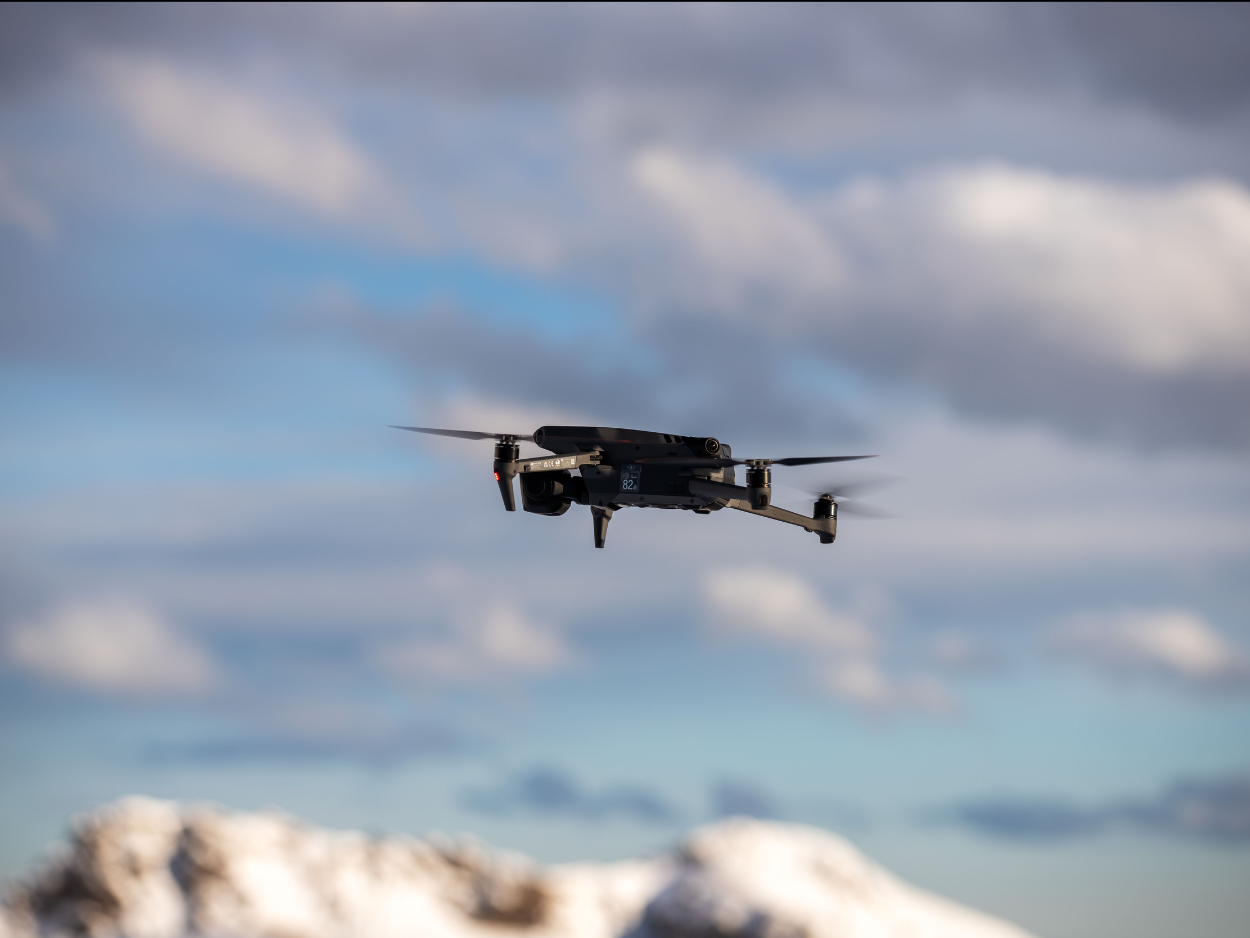
The loiter munitions being procured have a strike range exceeding 100 km and are designed with anti-jamming and anti-spoofing features to operate in electronically contested environments. The systems are intended to strengthen the precision-strike capability of the Army’s artillery regiments, allowing forces to strike targets at considerable distances without exposing personnel or conventional aircraft to direct risk. Loitering munitions of this kind have seen extensive use in the Russia-Ukraine conflict and in West Asia, where they have demonstrated the ability to neutralise high-value targets at a comparatively low cost.
Manufacturing Insight: Producing 840 Units Is a Different Challenge Compared to Creating Units Is a Different Test Than a Prototype
India has already shown it can develop working loitering munition prototypes; the harder, less visible test is whether that capability holds up at volume. Building one high-performing demonstrator and manufacturing 840 units to a consistent specification within 12 months are fundamentally different problems. The second requires standardised production processes, qualified suppliers capable of delivering components at the required rate, consistent quality across every batch, and testing infrastructure that can keep pace with output rather than becoming a bottleneck.
The Fast Track Procedure sharpens this test further. Unlike traditional defence programmes with long development and procurement cycles, this route rewards companies that already have production infrastructure, supplier networks and process discipline in place; success here depends less on further engineering breakthroughs and more on manufacturing readiness that’s already been built ahead of time.
The mandatory 60% indigenous content requirement (with a 50% floor specifically in materials, components and software) means this isn’t simply a final-assembly contract. A meaningful share of the airframe structures, propulsion, guidance and navigation systems, sensors, communications hardware and software has to be genuinely produced or sourced domestically — which is where the order’s impact starts to extend well beyond Tata and NIBE themselves.
The Ripple Effect
A loitering munition draws on multiple manufacturing disciplines at once, and scaling production to 840 units is likely to create demand across a fairly wide supplier base.
Precision engineering and airframe component manufacturers stand to benefit directly, supplying the structural and mechanical components that make up each system’s airframe.
Electronics and communications suppliers gain meaningful order volume, given the anti-jamming and anti-spoofing requirements that demand sophisticated onboard electronics and resilient communication systems.
Battery and power system manufacturers see rising demand, since propulsion and onboard power systems are core to a loitering munition’s endurance and range.
Sensor and navigation hardware suppliers become increasingly important as systems need to identify and reach targets reliably in contested, jammed environments.
Testing and qualification companies gain a growing role as production scales, since consistent quality across hundreds of units depends on testing infrastructure that can keep pace with manufacturing output.
Software and mission-systems developers contribute the control and guidance layers that determine how reliably each system performs once deployed.
Tier-2 and Tier-3 MSME suppliers may see the broadest long-term benefit, as system integrators like Tata and NIBE distribute component-level work across smaller specialised manufacturers provided those suppliers can meet the process control, traceability and quality standards defence-grade production demands.
Broader Context
The order reflects a wider shift in India’s defence manufacturing approach, moving private industry beyond conventional assembly work toward more sophisticated, high-value unmanned systems. Loitering munitions sit at the intersection of aerospace, electronics, software, communications and precision engineering, a combination of capabilities that, once developed for defence, can also support adjacent sectors including civil aerospace, robotics and advanced electronics manufacturing.
Timely delivery by Tata and NIBE over the next 12 months is expected to serve as a key test of India’s ability to scale domestic production of advanced unmanned platforms, at a moment when the Army’s push for rapid induction reflects a broader shift toward unmanned systems in modern warfare.