
Kolkata, India
Eastern Railway is undertaking capacity expansion projects worth approximately ₹12,000 crore, to be implemented over the next four to five years, General Manager Gitika Pandey announced at the CII Rail Synergy & Bengal MSME Vendor Connect Summit 2026 in Kolkata.
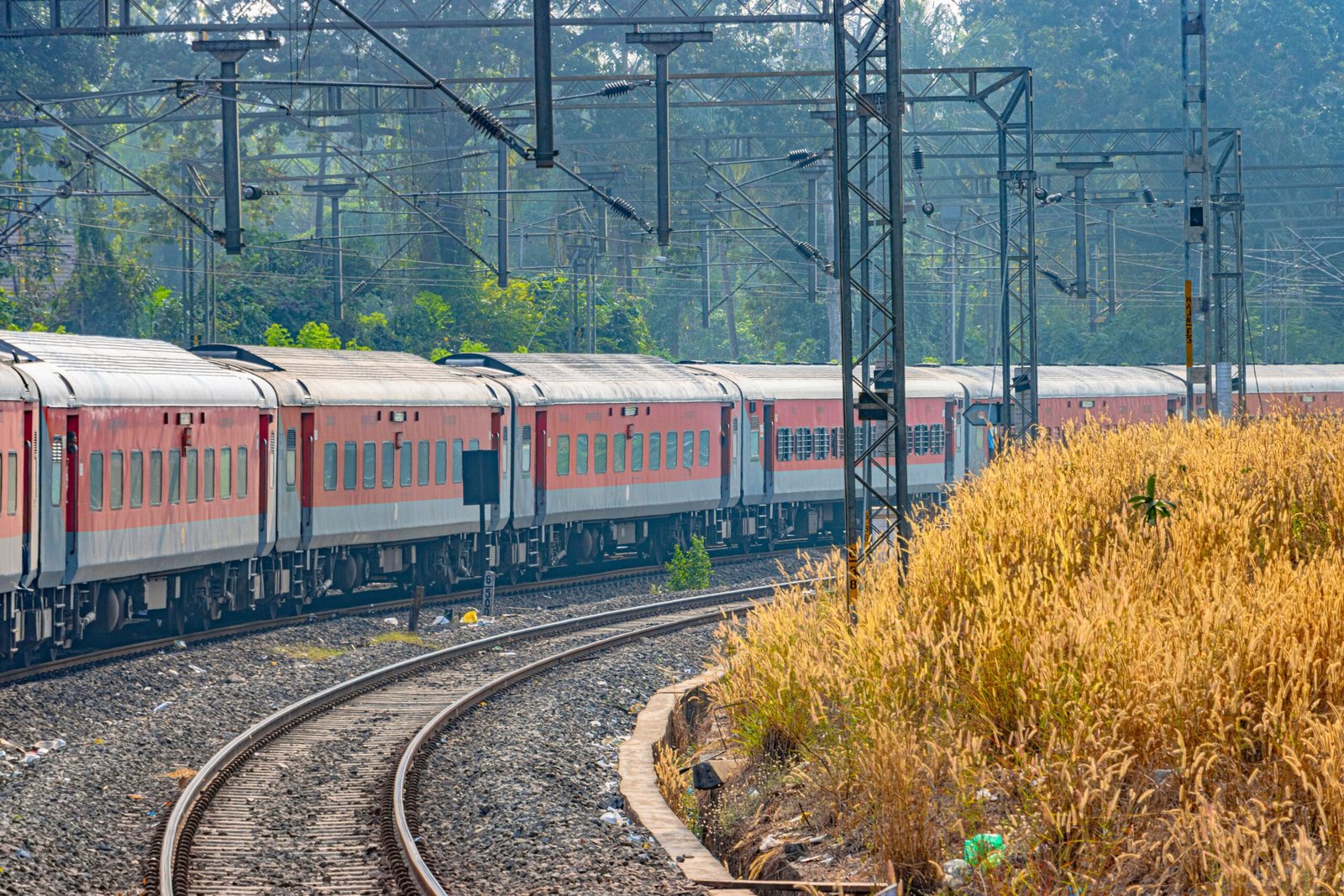
Of the total investment, around ₹10,000 crore is earmarked for 563 km of railway line expansion, while the remaining ₹2,000 crore will fund 10 bypass projects. Pandey said the investment is aimed at creating additional route capacity, alongside multi-tracking, railway yard modernisation and terminal development.
Statement
“Trains connect markets, people and aspirations,” Pandey said, adding that a robust railway network would help reduce logistics costs, streamline supply chains and enhance the competitiveness of the manufacturing sector. She also urged MSMEs attending the summit to focus on developing innovative products and cost-effective solutions to strengthen their contribution to the economy.
Why Bypass Projects Matter
Railway bottlenecks are not always the result of insufficient track across an entire network; they’re often concentrated at specific junctions where passenger and freight traffic compete for limited capacity. Bypass lines address this directly by rerouting traffic around congested sections. Eastern Railway’s ₹2,000 crore bypass allocation follows a pattern already visible elsewhere on the network: the Ministry of Railways sanctioned the ₹107-crore, 4.75-km Kalipahari Bypass in West Bengal earlier this year specifically to address operational constraints in the Asansol area, while Northern Railway’s ₹411-crore, 13-km Rajpura Bypass was sanctioned to relieve a corridor projected to exceed 165% capacity utilisation by 2030-31. Eastern Railway’s 10 planned bypasses are likely to follow a similar logic, targeting the specific choke points that slow freight movement even when overall route capacity looks adequate on paper.
Context: A Broader National Push
Eastern Railway’s investment sits within a considerably larger national expansion drive. Indian Railways sanctioned 100 new projects worth ₹1.53 lakh crore across the country in 2025-26 alone, covering more than 6,000 km of network, a 56% increase in project count and a 110% jump in financial commitment compared with the previous fiscal year. Separately, the Cabinet Committee on Economic Affairs has approved several major multitracking corridors in recent months, including ₹24,634 crore across Maharashtra, Madhya Pradesh, Gujarat and Chhattisgarh, and an ₹18,509 crore package covering Delhi, Haryana, Maharashtra and Karnataka. West Bengal specifically was allocated ₹14,205 crore for 2026-27, alongside plans for a bullet train corridor connecting Varanasi to Siliguri, later extending to Assam.
Freight capacity has been a particular focus nationally: a recently expanded Haridaspur–Paradip doubling project is expected to help lift Paradip port’s cargo capacity from 250 million tonnes to 450 million tonnes, with the Railway Ministry projecting an additional 76 million tonnes of annual cargo movement nationally primarily coal, iron ore, cement, steel, containers, automobiles and food grains once related expansion projects are completed.
Why This Matters for Manufacturing
Eastern India carries a significant concentration of industrial and bulk-goods activity, making rail connectivity a direct input into manufacturing cost structures in the region, not merely a passenger-transport concern. Raw materials such as steel, minerals, cement and industrial chemicals typically move over long distances before reaching a factory, and any inefficiency in that movement feeds directly into a manufacturer’s cost base. On the outbound side, finished-goods movement to distribution centres, ports and customers determines how far a manufacturer’s addressable market can realistically extend without needing a plant closer to every buyer.
For MSMEs specifically, the effect tends to be sharper than for larger manufacturers, who often have more flexibility to absorb logistics costs or maintain multiple supply routes. Smaller manufacturers typically operate with thinner margins and less buffer against delayed raw-material delivery or unpredictable freight costs, making reliable rail capacity disproportionately valuable to exactly the segment of industry the summit specifically addressed.
What Happens Next
The ₹12,000 crore programme will be implemented in phases over four to five years, according to Eastern Railway. As with similar expansion projects elsewhere on the network, the ultimate benefit to manufacturers will depend on how effectively the additional line and bypass capacity translates into predictable freight scheduling, terminal efficiency and last-mile connectivity rather than the addition of route kilometres alone.