
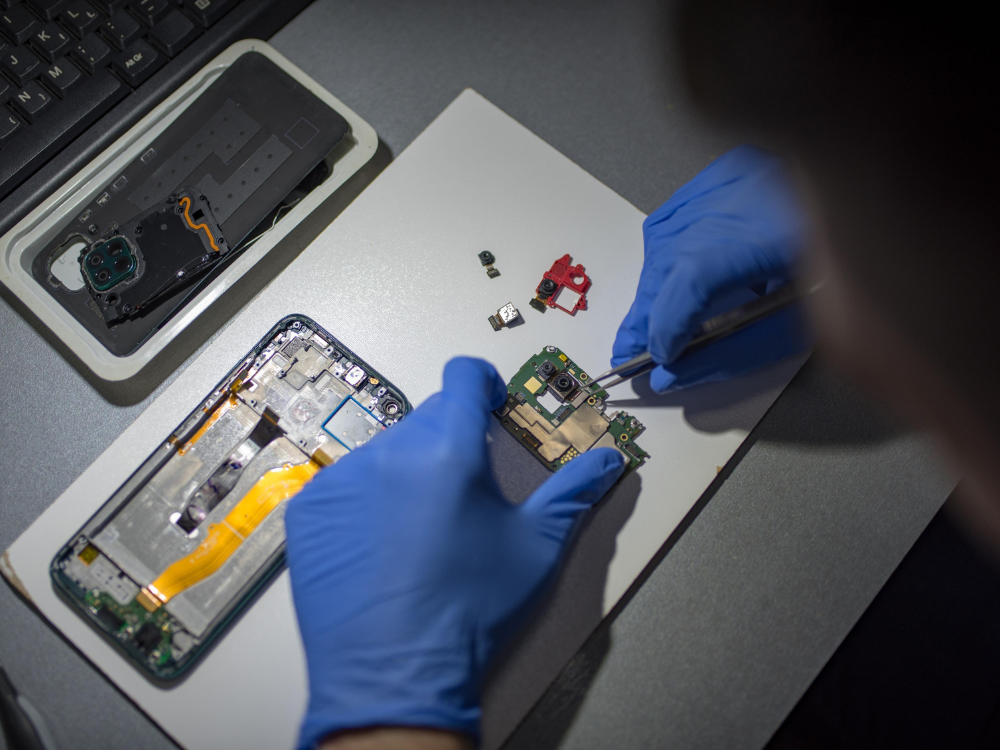
The government has notified a five-year Mobile Phone Manufacturing Scheme (MPMS) worth ₹62,500 crore, offering production-linked incentives of up to 5% and, for the first time, building in extra rewards for companies that make key components in India and for home-grown phone brands.
Running from FY27 to FY31, the scheme succeeds the smartphone PLI that turned India into the world’s second-largest mobile phone producer. But where the earlier programme largely rewarded assembly, the MPMS is structured to push manufacturers deeper into the value chain.
How the Incentives Are Structured
Under the primary segment, manufacturers must have a minimum turnover of ₹10,000 crore in FY26 to qualify, and incremental sales targets rise each year to reach ₹25,000 crore by FY31. Eligible players earn base incentives in the range of 2.5% to 5% on incremental sales.
Crucially, an additional 1.5% incentive is on offer for localising critical components — displays, cameras, batteries and USB connectors — categories that today account for a large share of a phone’s imported bill of materials. It is a deliberate nudge to move India from screwdriver-style assembly toward genuine component manufacturing.
A Dedicated Track for Indian Brands
For the first time, the scheme carves out a separate segment for Indian-branded phones, with a lower entry bar of ₹1,000 crore minimum turnover. These brands are eligible for a 5% base incentive, plus a further 3% for building domestic design and R&D capabilities — a structure clearly aimed at nurturing an Indian answer to the global majors that dominate the market.
Electronics and IT Minister Ashwini Vaishnaw said the government is “very closely coordinating with the industry” and is already in talks with three domestic players on developing Indian phone brands, with a market launch targeted within 18 months.
The Numbers Behind the Ambition
Over its five-year life, the scheme is expected to drive roughly ₹39 lakh crore of cumulative production and about ₹15 lakh crore of mobile phone exports, while creating an estimated 60,000 direct jobs. The government has also signalled that manufacturing could broaden beyond smartphones, with global players weighing India for a wider electronics footprint.
What It Means
The MPMS reads as a maturity upgrade for Indian electronics policy. The headline incentives are similar to the old PLI, but the design has shifted: the real money now flows to firms that localise components and to Indian brands that invest in design and R&D. For contract manufacturers and component suppliers, that is an invitation to move up the curve. The open question is depth — whether the 1.5% component sweetener is enough to make display and battery fabrication viable in India, or whether the country’s mobile boom continues to rest on imported parts snapped together on local lines.
Based on reporting by Business Standard.