
Moscow
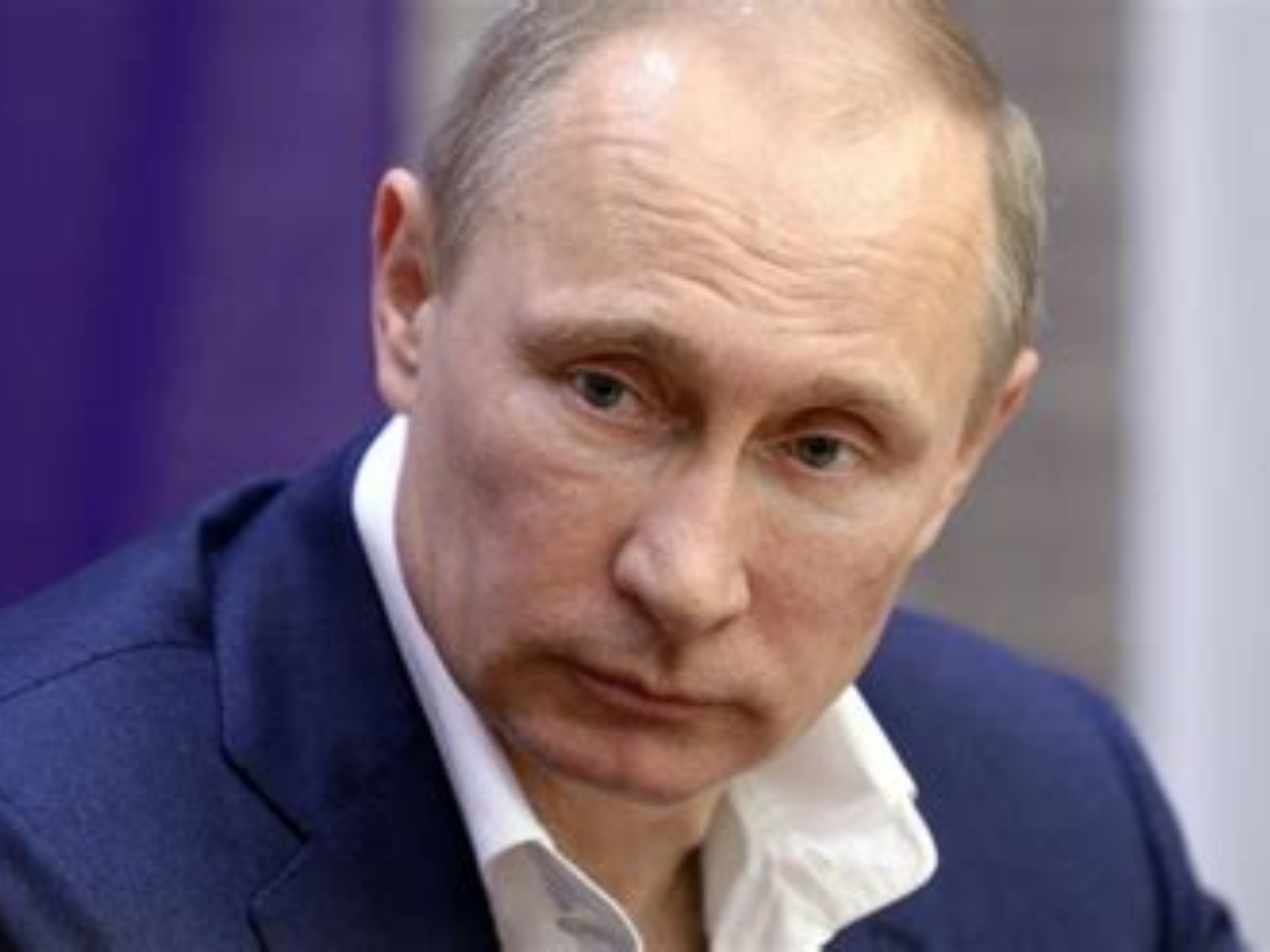
Russian President Vladimir Putin told External Affairs Minister S. Jaishankar on August 24, 2026, that Moscow is working to increase fertiliser supplies to India and remains committed to uninterrupted energy shipments, as the two countries also confronted a rapidly widening trade imbalance during high-level talks in the Kremlin.
“We are doing everything to address this issue for Indian farmers, for agriculture; we are increasing these supplies and are ready to do so further,” Putin said, adding that cooperation on nuclear energy and high-tech sectors remained “on the agenda” and was “progress[ing] quite steadily.”
Jaishankar’s two-day visit included co-chairing the 27th session of the India-Russia Intergovernmental Commission on Trade, Economic, Scientific, Technological and Cultural Cooperation alongside Russia’s First Deputy Prime Minister Denis Manturov.
The Headline Assurance Sits Inside a Bigger Trade Story
The fertiliser and energy commitments were the visible, farmer-facing part of the visit. The more consequential number sits elsewhere: Jaishankar told Manturov that bilateral trade has grown from $13 billion in 2021 to roughly $60 billion in 2025, but that growth has come with the trade imbalance widening from $6.6 billion to more than $50 billion, overwhelmingly in Russia’s favour.
“Addressing this imbalance today is one of our foremost priorities,” Jaishankar said, pointing to better market access, removal of tariff and non-tariff barriers, stronger payment mechanisms, and deeper business-to-business engagement as necessary steps toward the two countries’ shared target of $100 billion in bilateral trade by 2030. Manturov said the pending free trade agreement between India and the Eurasian Economic Union (EAEU) is expected to accelerate trade further once it takes effect.
Putin, for his part, noted that bilateral trade had actually declined in 2025 before recovering through the first half of 2026, a recovery he credited largely to Prime Minister Narendra Modi’s sustained personal engagement with the relationship.
Why This Fits a Larger Pattern
This isn’t an isolated assurance. In December 2025, during a New Delhi summit, Putin told Modi directly that Russia was “ready to continue uninterrupted shipments of fuel for the growing Indian economy,” explicitly positioning Moscow as a “reliable supplier of oil, gas, coal, and everything that is required” for India’s energy security, language nearly identical to what was reiterated in Moscow this week. That December assurance came as India faced mounting pressure from Washington, including 50% US tariffs on many Indian exports tied specifically to India’s continued purchases of Russian crude.
Fertiliser supply security has an even longer runway. India first opened formal government-to-government negotiations with Russia on multi-year fertiliser supply back in early 2022, the first such long-term negotiation in three decades, driven by shortages after China’s export restrictions and a global price spike tied to sanctions on Belarusian potash. Russia has steadily built on that foundation since, and by late 2024 Jaishankar was already describing Russia as “a major source of fertilisers for India” alongside crude oil, coal and uranium.
Read against that history, this week’s assurance is less a new commitment than a reaffirmation, but the timing, against the backdrop of the West Asia crisis disrupting broader global shipping and supply routes, gives it renewed weight.
Why This Matters Beyond Farmers and Fuel Bills
Energy and fertilisers serve very different parts of the Indian economy, but both function as foundational inputs whose disruption ripples outward. Energy powers manufacturing, logistics and industrial operations directly; any instability in supply affects production costs, transportation and overall competitiveness, particularly for energy-intensive sectors like metals, chemicals and cement. Fertiliser supply, meanwhile, underpins agricultural output, which connects onwards into food processing, packaging, logistics and retail sectors employing a large share of India’s workforce.
The common thread is a shift already visible in how India and other economies plan around critical inputs: from a purely cost-optimised model to one that weighs reliability and diversification alongside price. A manufacturer or economy able to secure consistent access to critical materials during a disruption holds a real advantage over one exposed to a single source or route, which is precisely why supply assurances like this one, however routine they may sound diplomatically, carry genuine economic weight.
What Comes Next
Putin is expected to travel to New Delhi for the BRICS summit on September 12–13, while Modi and Putin are separately scheduled to meet in Bishkek, Kyrgyzstan, during the Shanghai Cooperation Organisation summit on August 31 and September 1, giving both sides two further opportunities in quick succession to convert this week’s assurances into more concrete commitments, particularly on the trade-imbalance question Jaishankar flagged as a top priority.