
Manufacturing talent in Gujarat is set to get a boost after Maruti Suzuki India signed a Memorandum of Understanding (MoU) with the Gujarat government to establish Advanced Manufacturing Labs (AMLs) at five Industrial Training Institutes (ITIs), a move aimed at strengthening industry-ready skills and building a future-ready manufacturing workforce in the state.
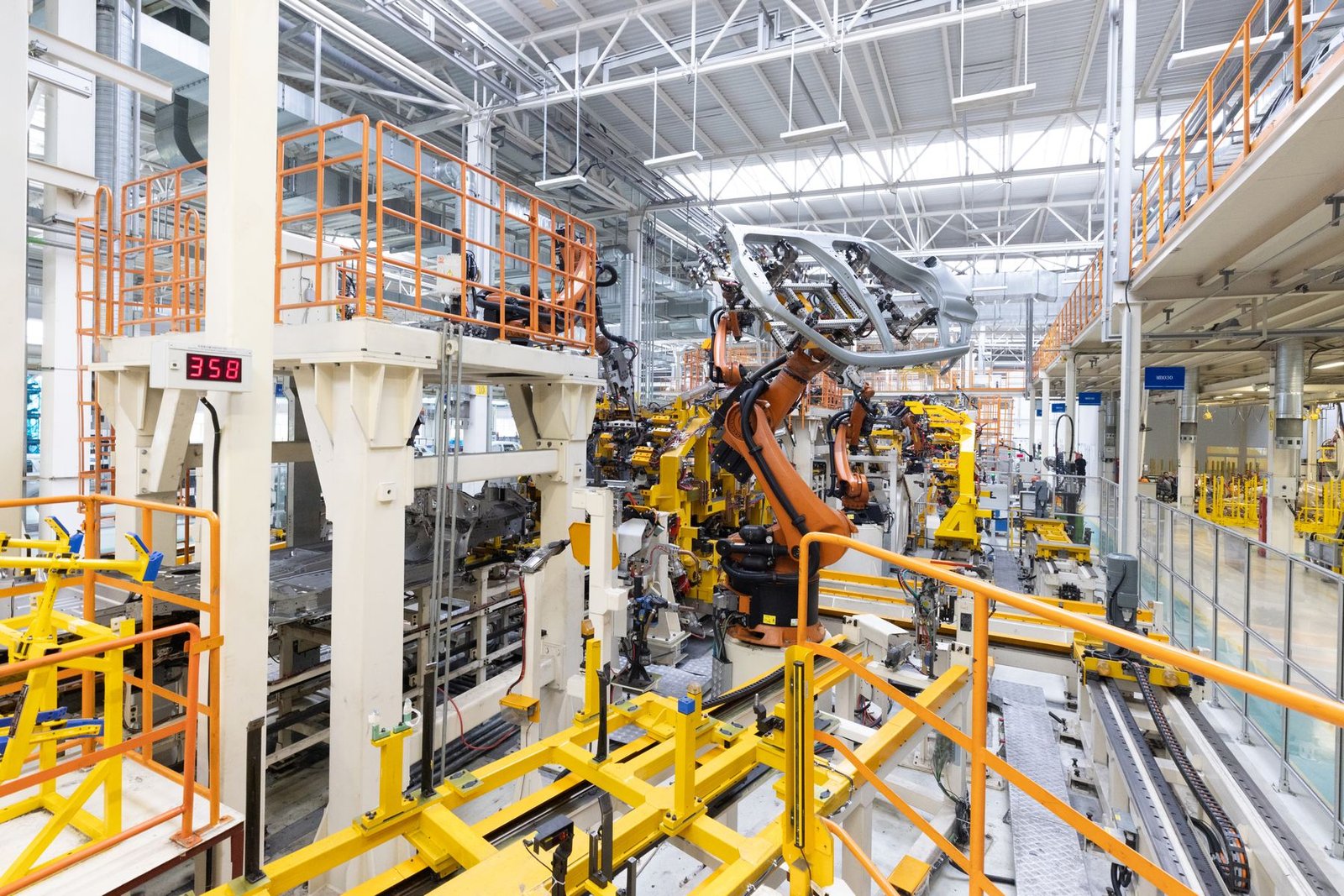
Signed with the Directorate of Employment and Training (DET), Government of Gujarat, the MoU will bring AMLs to ITIs in Palanpur, Bhavnagar, Surendranagar, Godhra and Dahod. Each lab is designed to simulate a real-world shop floor, giving students hands-on exposure to manufacturing processes and helping close the gap between classroom instruction and what factories actually need on the ground.
What Students Will Learn Inside the New Labs
The five Advanced Manufacturing Labs will offer practical training across core industrial disciplines, including assembly, welding, painting, machining, mechatronics and workplace safety. The curriculum is built to mirror the kind of shop-floor environment students will encounter once they join the automotive and broader manufacturing sector, rather than teaching skills in isolation from real production conditions.
Part of a Larger Manufacturing Push in Gujarat
The skilling initiative comes as Maruti Suzuki significantly expands its manufacturing footprint in the state. The company is preparing to bring a fourth production line online at its Hansalpur facility, lifting annual capacity there from 750,000 units to one million units. A separate manufacturing plant under construction at Sanand will add another one million units of annual capacity once complete, taking Maruti Suzuki’s total production capacity in Gujarat to two million units.
That expansion is expected to create sustained demand for a skilled workforce across the state, which is part of why the company is investing in manufacturing talent well ahead of the new capacity coming online.
Building a Bigger Manufacturing Talent Pipeline
The Gujarat labs extend a much larger CSR-funded skilling programme. Maruti Suzuki said it invested ₹125 crore in skill development initiatives during FY 2025-26 and currently supports 31 ITIs across India in manufacturing-related trades. The company already operates 18 Advanced Manufacturing Labs nationwide; with the five new Gujarat facilities, that network will expand to 23 centres across seven states and union territories. Maruti Suzuki also runs four Japan-India Institutes for Manufacturing (JIMs) in Gujarat and Haryana, which support industry-ready training through Indo-Japanese collaboration in vocational education.
What Maruti Suzuki and the Gujarat Government Are Saying
Rahul Bharti, Senior Executive Officer for Corporate Affairs at Maruti Suzuki, said the company remains committed to skill development initiatives that create sustainable livelihood opportunities for young people, and that the new labs will give students experiential learning and exposure to modern manufacturing technologies. He added that the company’s Gujarat expansion will generate demand for a highly skilled workforce and a broader industrial ecosystem around it.
Stuti Charan, IAS, Director of the Directorate of Employment and Training, Government of Gujarat, said the initiative would help “bridge the gap between classroom education and industry expectations,” and that it would reinforce Gujarat’s position as a major automotive manufacturing hub while building a future-ready workforce.
Why This Matters for India’s Skill India Mission
The initiative is aligned with the Government of India’s Skill India mission, which aims to close the gap between vocational training and evolving shop-floor requirements as manufacturing investment accelerates nationwide. Partnerships of this kind between individual companies and state training directorates are becoming a more common way to build manufacturing talent at the pace industry needs, rather than waiting for broader curriculum reform. If similar tie-ups are replicated across other states and sectors, they could meaningfully strengthen India’s manufacturing talent pipeline and improve how ready new entrants are for actual shop-floor work.