
Tata Motors Passenger Vehicles and Stellantis have signed a definitive agreement to extend their partnership into vehicle technology, architecture and product development, with India set to play a role in manufacturing vehicles for more than 50 global markets.
Under the agreement, Stellantis will gain access to the vehicle technology and architecture capabilities of Tata Motors Passenger Vehicles Ltd (TMPV) and its subsidiary, Tata Passenger Electric Mobility Ltd. Stellantis will contribute its engineering and product development expertise to adapt vehicles for international markets, taking into account different customer needs, regulations and operating conditions.
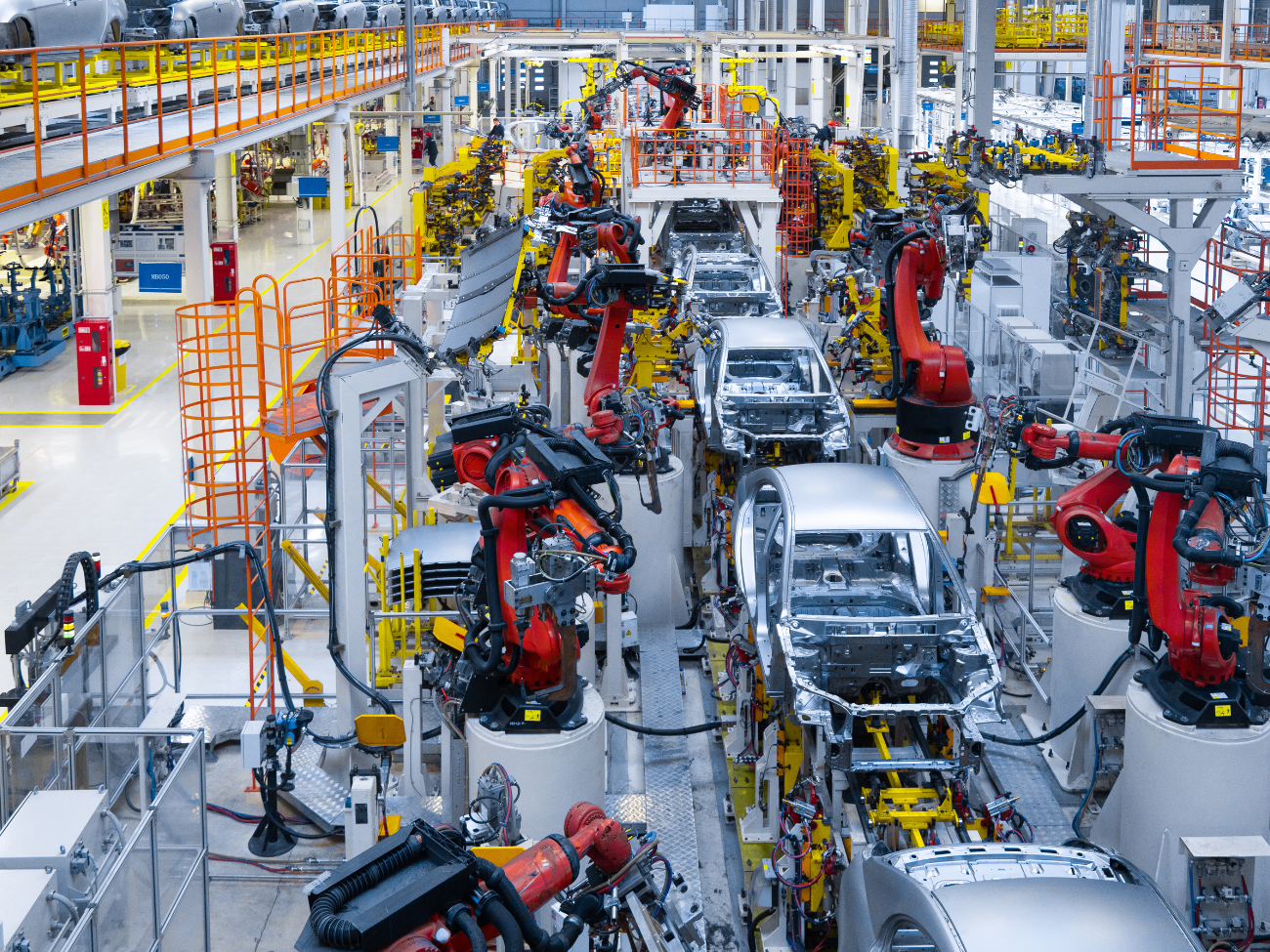
The partnership will use the manufacturing facility of Fiat India Automobiles Pvt Ltd (FIAPL) at Ranjangaon near Pune, Maharashtra. The 50:50 joint venture between Tata Motors and Stellantis already manufactures vehicles and powertrain components for both companies.
The agreement builds on a memorandum of understanding signed in February 2026 to explore cooperation in manufacturing, engineering and supply chains in India and overseas. The latest development expands the relationship beyond manufacturing into vehicle architecture and technology development, combining Tata Motors’ engineering capabilities with Stellantis’ international product development expertise and market reach.
Shailesh Chandra, managing director and chief executive officer of Tata Motors Passenger Vehicles, said the agreement extends a partnership spanning more than two decades into advanced vehicle technology and architecture. Tianshu Xin, chief operating officer of Stellantis’ Asia-Pacific region, said the collaboration would support vehicle development in India and expand exports to international markets.
FIAPL’s integrated facility at Ranjangaon produces models from both companies, including the Jeep Compass and Meridian, as well as Tata Motors’ Nexon, Altroz and Curvv. The plant also manufactures selected Jeep models for export and produces engines, transmissions and traction motors.
The expanded collaboration could strengthen India’s role in the companies’ global vehicle development and manufacturing strategies by combining domestic engineering capabilities with access to international markets. However, the companies have not disclosed the specific vehicle models covered by the agreement, investment commitments or production timelines. The scale and timing of future vehicle launches and exports therefore remain unclear.