

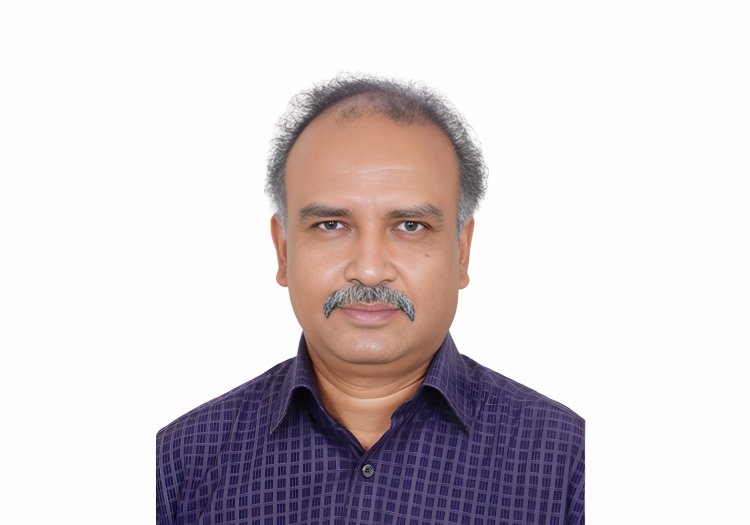
“New trends in AI & automation are bringing new life to the die and mould industry. These innovations are improving design accuracy, reducing lead times, and increasing shopfloor efficiency. Technologies like simulations and additive manufacturing also help in faster prototyping, better decision-making, and in ensuring overall competitiveness,” says K. Ravi, Partner, Pre Mould Engineers. This interview is for DMI 2026.
What key trends, challenges, or growth opportunities do you see in the Indian die and mould industry today? How might they evolve in 2026?
AI is a key trend that has become part of every technology. We must use it to the best possible extent, particularly in shopfloor planning, design and processing. The present challenge is the availability of the right materials, especially where suitable Indian-make is not available, at globally competitive prices. While the tooling sector will undoubtedly continue to grow in 2026, its growth will depend on the support it receives from the ecosystem.
Which sectors are driving the demand for dies and moulds? What opportunities do they present for the industry?
At present, the automotive, EVs and medical sectors are driving demand for dies and moulds. These sectors demand high-precision, consistent, and high-volume production, which in turn creates opportunities for the industry to offer better-quality tools, faster delivery, and long-term partnerships with customers.
How is India’s manufacturing push, for instance, through initiatives like ‘Make in India’ or strategies like China+1, impacting the die and mould industry overall?
The impact on the die and mould industry has so far been moderate. Capacity and capability development takes time. While initiatives like ‘Make in India’ and the China+1 strategy are creating opportunities, the industry still needs stronger ecosystem support, skilled talent, and policy focus for the full benefits to be realised.
How are innovations or technologies, such as additive manufacturing, AI, and simulations, shaping the competitiveness of the die and mould industry?
New trends in AI & automation are bringing new life to the die and mould industry. These innovations are improving design accuracy, reducing lead times, and increasing shopfloor efficiency. Technologies like simulations and additive manufacturing also help in faster prototyping, better decision-making, and in ensuring overall competitiveness.
What role do initiatives like precision manufacturing and talent development play in expanding the die and mould industry into new markets?
Precision manufacturing has become the new normal. Today, most manufacturers can achieve it. However, meeting customer delivery schedules and staying cost-competitive will give you an edge.
How has participating in past DMI exhibitions contributed to growth, networking, or collaborations within the tooling ecosystem?
We have been participating in DMI exhibitions for many years. It has helped us create goodwill, provided us with valuable networking opportunities, helped us learn about industry trends, and given us the opportunity to explore potential collaborations.
What makes DMI 2026 a valuable platform for the die and mould industry to showcase its strengths to domestic or global customers?
DMI 2026 offers a valuable platform for the die and mould industry to showcase its strengths to both domestic and global customers. Being held in Mumbai, a central and accessible location, it is expected to attract participants from across India and beyond, providing opportunities for networking, partnerships, and business growth.
This interview was published in TAGMA Times Magazine.