
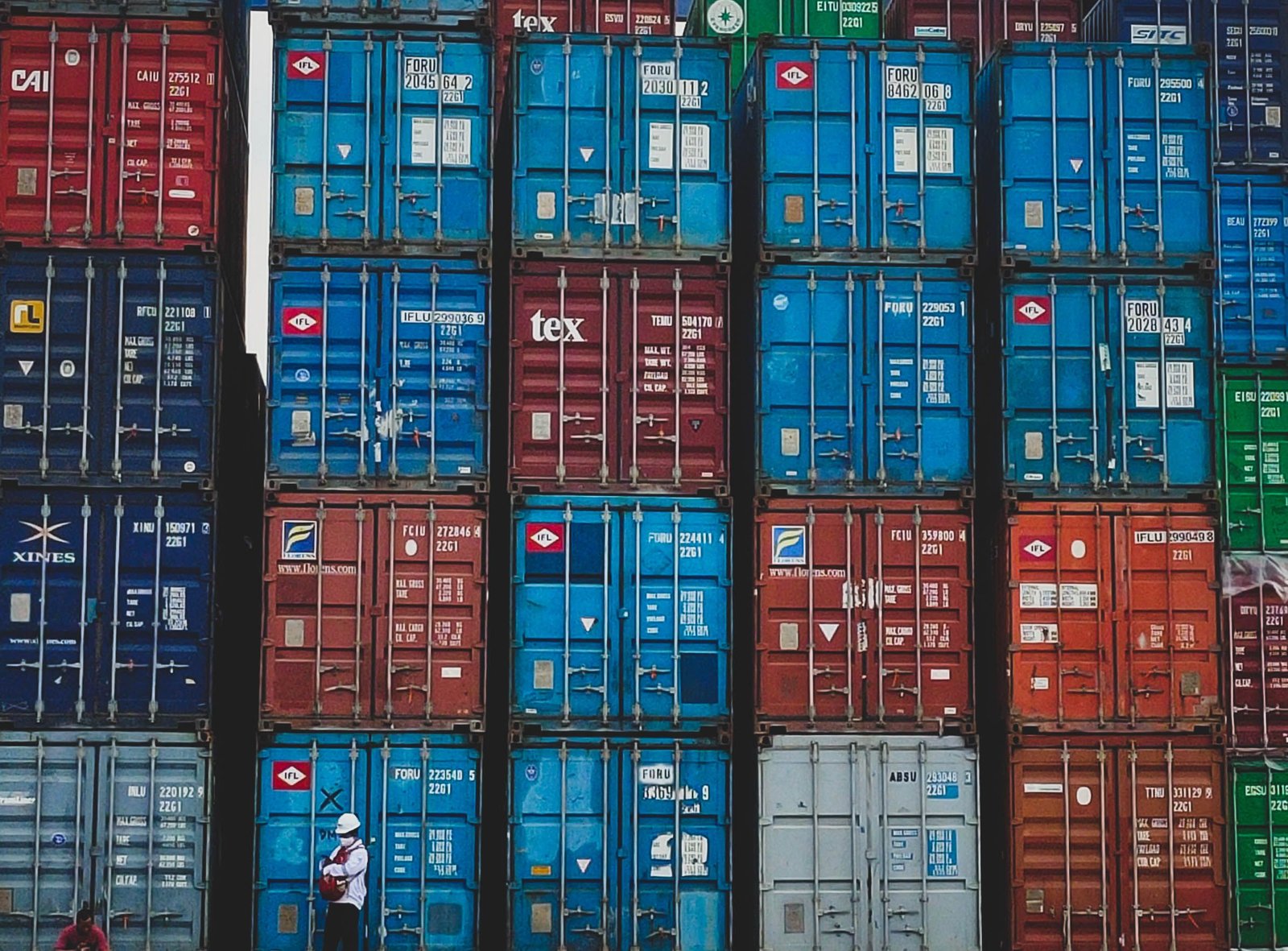
For a country aspiring to become a global manufacturing hub, building shipping containers could become as strategic as building factories.
Shipping containers rarely make headlines. Yet they are among the most important building blocks of global trade. Nearly every manufactured product, from automobiles and engineering goods to electronics and consumer products, travels inside one before reaching international markets.
For decades, China has dominated this industry, producing the overwhelming majority of the world’s shipping containers. The COVID-19 pandemic exposed the risks of this concentration, as container shortages disrupted global supply chains, increased freight costs and delayed exports across industries.
India’s proposed ₹10,000 crore initiative to promote domestic container manufacturing is an attempt to address this dependence. On the surface, the policy is about encouraging local production through financial incentives and creating a competitive domestic industry. But the larger story is about strengthening India’s logistics ecosystem and reducing strategic dependence on a single geography.
Container manufacturing sits at the intersection of multiple industries.
It requires high-quality steel, precision fabrication, specialised coatings, welding technologies, flooring materials and quality testing. As production scales, demand could increase for steel manufacturers, fabrication companies, engineering firms, automation providers and logistics equipment suppliers.
This creates a wider manufacturing opportunity. Companies involved in industrial machinery, material handling equipment, rail logistics and port infrastructure could all benefit as domestic container production grows. Over time, this could encourage greater integration between manufacturing, ports and multimodal transport networks.
There is also an export perspective. As India’s manufacturing output continues to increase, the availability of domestically produced containers can help exporters access equipment more reliably, reducing dependence on global supply fluctuations. This becomes particularly valuable during periods of high international demand or geopolitical uncertainty.
However, competing with China will require more than incentives. Chinese manufacturers benefit from decades of scale, integrated supply chains and cost efficiencies. For India, long-term success will depend on building similar strengths through technology, quality, productivity and consistent policy support.
The opportunity therefore extends beyond manufacturing containers.It is about creating an ecosystem that supports India’s ambitions to become a reliable global manufacturing and export destination.
As supply chains become increasingly strategic, the ability to manufacture the equipment that moves global trade may become just as valuable as manufacturing the products being traded.
Beyond the Headline
India’s container manufacturing initiative is not simply an import substitution programme. It represents an effort to strengthen a critical part of the country’s trade infrastructure. A resilient logistics ecosystem begins not only with ports and ships, but also with the equipment that keeps global commerce moving.
The Ripple Effect
A domestic container manufacturing ecosystem could generate demand across steel, fabrication, industrial coatings, welding equipment, automation, port infrastructure and rail freight. It could also improve supply-chain resilience for exporters while creating new opportunities for MSMEs supplying components and engineering services.
If executed well, this initiative could position India not just as a manufacturer of goods, but as a stronger participant in the global logistics value chain.