
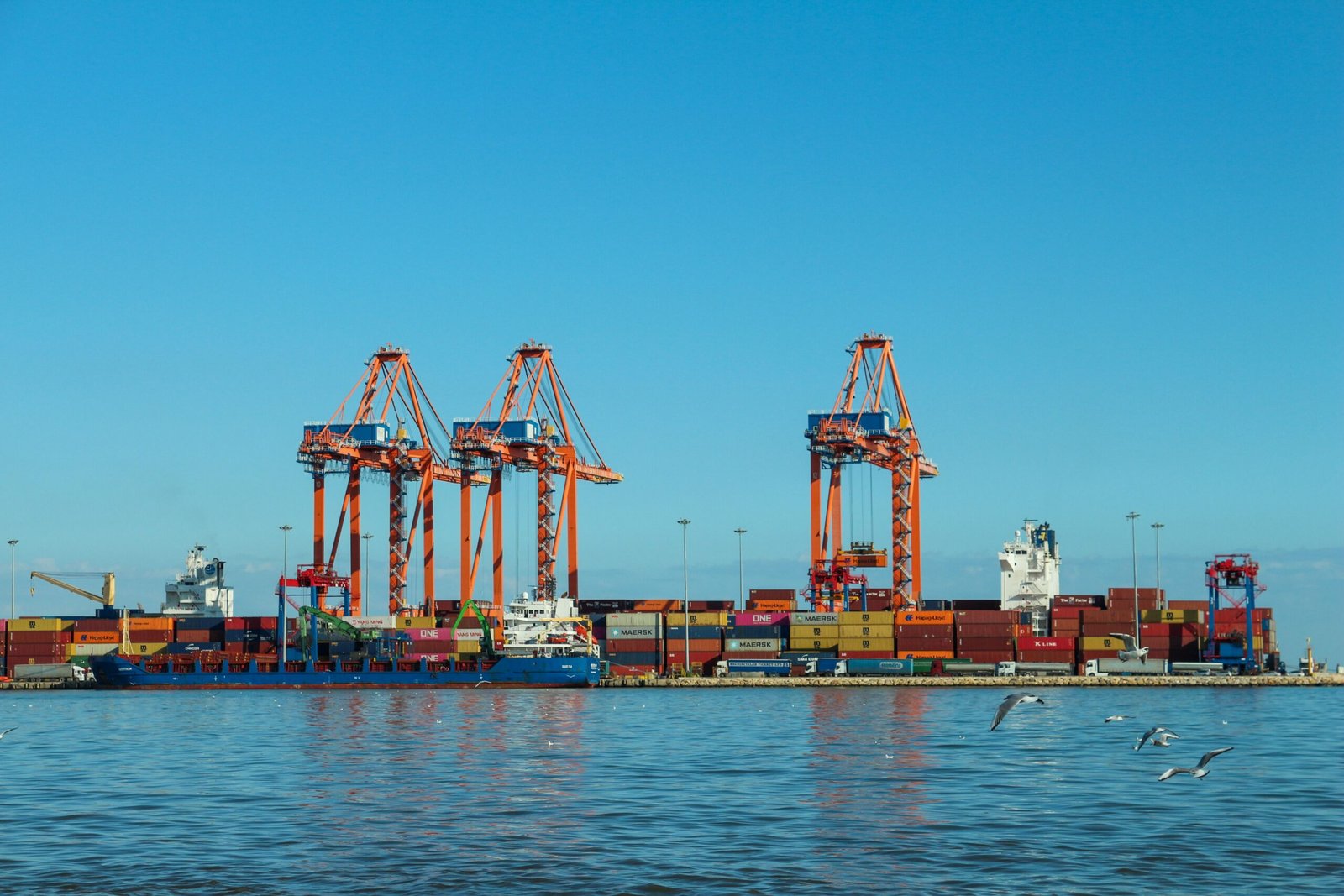
DP World’s new vessel is more than a fleet expansion, it reflects a broader shift towards a more efficient and resilient logistics network. When DP World inducted the DP World Indus into its coastal fleet, the announcement appeared to be a routine capacity addition. But beneath the headline lies a larger shift in how India could move goods over the next decade.
India has traditionally relied heavily on road transport for domestic freight. While roads offer flexibility, they also bring higher logistics costs, congestion and carbon emissions, especially over long distances. Coastal shipping presents an alternative that is often overlooked despite India’s vast coastline and strategic port network.
By expanding its coastal services, DP World is strengthening an important link in India’s multimodal logistics ecosystem. The company’s network now connects fourteen ports through ten vessels, offering manufacturers and exporters another option to move cargo efficiently across the country.
The timing is significant. As manufacturing capacity expands across sectors such as electronics, automotive, chemicals and engineering, the movement of goods is becoming just as important as production itself. A factory may manufacture world-class products, but competitiveness ultimately depends on how efficiently those products reach customers.
This is where coastal shipping can play a much bigger role. Transporting containers by sea over longer distances can reduce logistics costs, lower fuel consumption and ease pressure on highways. It also improves supply-chain resilience by giving businesses multiple transport options instead of relying primarily on roads.
The benefits extend beyond logistics companies. Ports experience higher cargo throughput. Warehousing and distribution networks become more efficient. Inland logistics providers can integrate road, rail and sea transportation into a single supply chain. Manufacturers gain more predictable freight movement, particularly for bulk cargo and containerised exports.
There is also a sustainability angle. As companies work towards reducing supply-chain emissions, coastal shipping offers a relatively lower-carbon alternative for domestic cargo movement. This aligns with the growing emphasis on greener logistics from both industry and policymakers. India has long discussed reducing logistics costs as a percentage of GDP. Investments like these are small but important building blocks towards that objective.
The addition of one vessel may not transform the sector overnight. But it signals something much larger, the gradual evolution of India’s logistics network from a road-centric model to an integrated, multimodal system capable of supporting the country’s manufacturing ambitions.
Beyond the Headline
DP World’s fleet expansion is not simply about adding shipping capacity. It reflects the growing importance of coastal shipping in building a more balanced logistics ecosystem. As India’s manufacturing output increases, efficient cargo movement will become just as critical as production capacity.
The Ripple Effect
A stronger coastal shipping network can benefit manufacturers, exporters, ports, logistics providers, warehousing companies and container operators. It also creates demand for port infrastructure, cargo handling equipment, shipbuilding, marine services and digital logistics solutions.
Over time, better integration between road, rail and sea transport could reduce logistics costs, improve supply-chain resilience and make Indian manufacturing more globally competitive.