

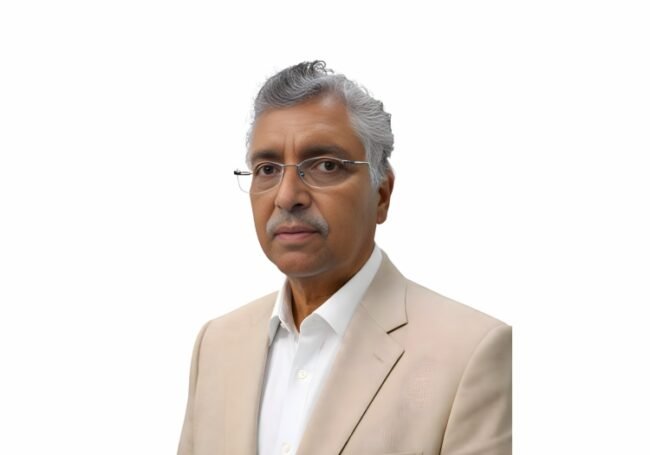
“DMI 2026 is a key platform to showcase technology and capabilities, connect with domestic and global customers, and build brand presence. It brings together industry leaders and decision-makers in one place, strengthening collaboration and positioning the Indian tooling industry on a global stage,” says CH Balan, Proprietor, Precision Punches & Dies, in an interview for the 14th Die & Mould India International Exhibition 2026.
What are the key trends, challenges, and growth opportunities for the Indian die and mould industry?India is seeing strong GDP growth, which is driving manufacturing and increasing demand for dies and moulds. As more products and industries expand, the need for high-quality tooling continues to rise. However, there are key challenges that must be addressed. There is a shortage of skilled mould makers who can match European quality standards. Heavy dependence on imports, especially from China due to lower cost and faster delivery, adds further pressure. The lack of domestic production of special alloy steels leads to higher costs, while fewer workers are interested in shop-floor jobs, creating a significant skill gap. Solving these issues will be important for ensuring long-term growth and strengthening India’s position in the global tooling industry.
Which key sectors are driving demand in the Indian tooling industry?
The automotive sector is a major driver, with frequent new launches and design changes. The ongoing shift to EVs is further increasing tooling demand. FMCG and rigid packaging are also growing rapidly due to higher consumption, creating strong demand for high-volume precision moulds. In addition, other sectors such as medical devices and electronics offer significant future opportunities because of their need for high-precision moulds and dies.
What has been the impact of initiatives like Make in India and China+1 on the tooling industry, and what challenges remain?
Initiatives such as Make in India and China+1 have created positive momentum for local manufacturing. However, challenges remain in ease of doing business and implementation. To strengthen the sector, focus is needed on several areas:
- Local production of quality tool steels equivalent to European standards, or easy availability without restrictions for toolrooms.
- Better vocational training and skill development from school, so that young boys and girls take interest in the manufacturing sector.
- Improved practical training in ITIs.
- Greater support for MSMEs in technology and funding.
Addressing these issues will be critical for ensuring sustainable growth and competitiveness in the Indian tooling industry.
What role do innovation and technology play in the toolroom industry?
Since the industry is highly customized, full automation is limited. However, significant improvements are taking place. ERP systems and digital tools are being adopted for better planning and faster execution. Quotation and project management software is helping streamline operations. Standardization of ancillary components such as mouldbases and mould components is reducing manufacturing time and cost, thereby improving overall lead times and price competitiveness. In addition, the use of simulation, precision machining, and partial automation is enhancing processes. Together, these innovations are helping improve productivity, quality, and reliability across the toolroom industry.
Why are precision manufacturing and talent development important for the Indian tooling industry?
Skill development is critical, and education should combine theory with practical training to create industry-ready workers. Precision manufacturing will help Indian companies enter niche and high-value sectors such as luxury vehicles, aerospace, medical, and electronics, enabling them to compete globally.
What are the benefits of participating in DMI exhibitions?
Participation in DMI has helped in building strong industry connections, sharing knowledge and ideas, and forming collaborations. The exhibition has grown significantly over the years and now plays an important role in strengthening the tooling ecosystem.
What is the value of DMI 2026 for the tooling industry?
DMI 2026 is a key platform to showcase technology and capabilities, connect with domestic and global customers, and build brand presence. It brings together industry leaders and decision-makers in one place, strengthening collaboration and positioning the Indian tooling industry on a global stage.
What products and technologies will be showcased at DMI 2026?
We will showcase standard components for moulds and dies, along with both standard and custom mould bases. These are important because standard components improve part replacement, ensure consistency, and reduce lead time. They also allow toolmakers to focus on core and cavity design. In addition, our mould bases offer precision, reliability, and flexibility for different applications.