
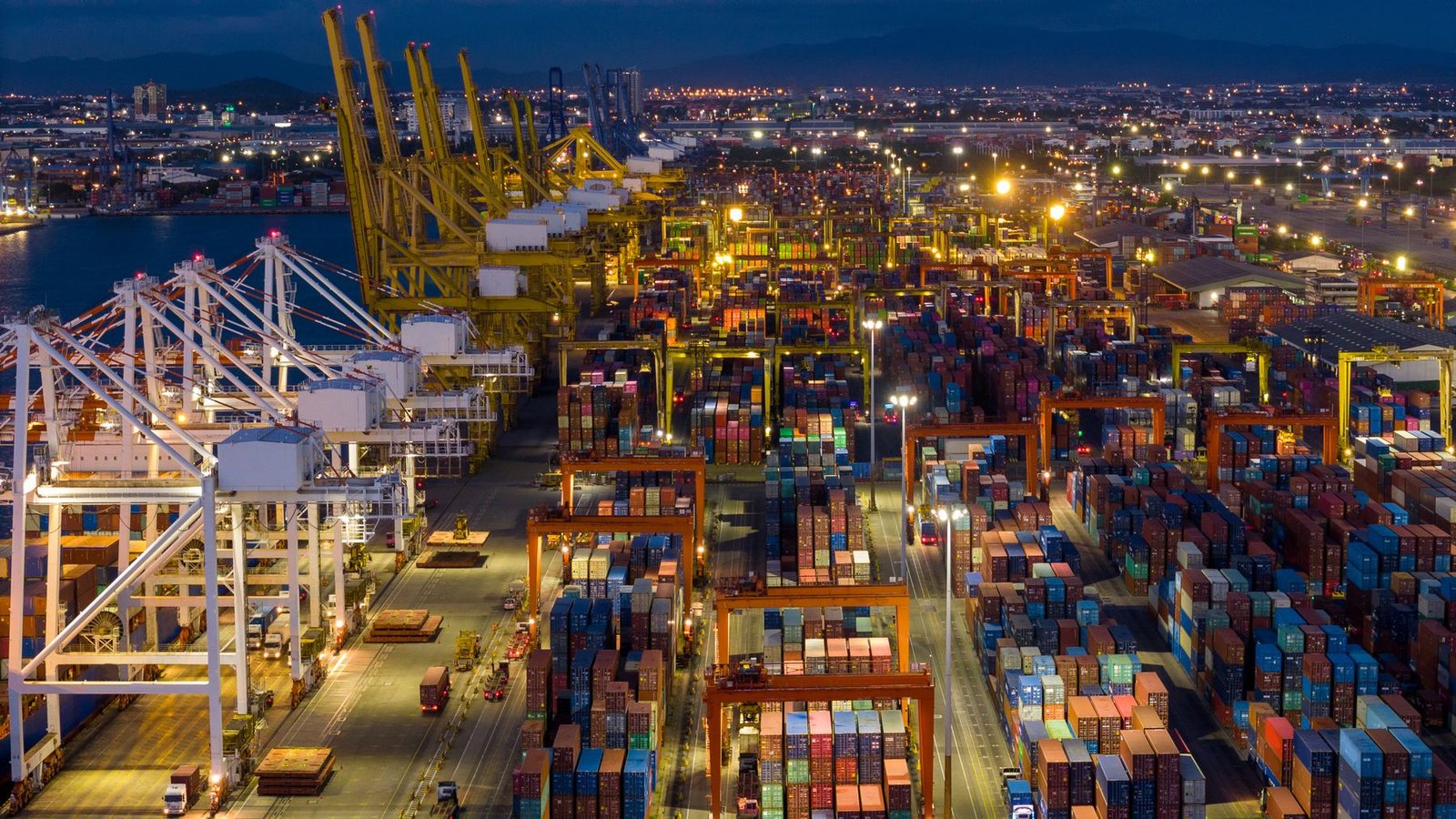
Manufacturing demand weakened across several of the world’s largest economies in July 2026, as the five-month-old conflict between Iran and Israel disrupted shipping lanes, pushed up energy costs, and left factory managers more cautious about production and investment decisions.
Factory surveys released this week painted an uneven picture: growth held up in a handful of markets, but manufacturing demand softened almost everywhere the Middle East conflict has touched energy prices or shipping routes, and manufacturers continued to report rising raw material and transportation costs.
Europe’s Recovery Loses Steam
Germany got off to a strong start in the third quarter, but S&P Global cautioned that the expansion would be difficult to sustain without a resolution to the Middle East conflict, given the volatility it has triggered in oil prices. France slipped back into contraction, Italy’s manufacturing growth slowed, and while the United Kingdom extended its expansion to a ninth straight month, growth eased to its slowest pace in four months — a sign that manufacturing demand across the eurozone remains fragile.
China’s New Orders Slow to a Multi-Month Low
In China, the world’s largest manufacturing exporter, growth in new orders slowed to its weakest pace since January. Factories reported that the near-halt in shipping through the Strait of Hormuz, a critical route for Gulf energy exports, has driven up input costs even as demand from key export markets stayed soft, squeezing margins for exporters already contending with weak global trade.
Supply Chains Buckle Under the Strain
The supply chain disruption is showing up clearly in the data. Average vendor delivery times deteriorated at the second-sharpest rate in four years, behind only May 2026, as the conflict continued to delay shipments and contribute to material shortages. New export orders also declined broadly, with tariffs and subdued foreign demand weighing on international sales, according to the S&P Global US Manufacturing PMI report.
A Mixed Signal From the United States
The picture in the US depends on which survey you read. The S&P Global US Manufacturing PMI edged down to 53.8 in July from 53.9 in June, a third straight month of slowing growth in new business, which the report linked to subdued client confidence and inflationary pressure. The Institute for Supply Management told a different story: its Manufacturing PMI climbed to 55.6%, a seventh consecutive month of growth and the fastest pace since 2022, even as manufacturers pointed to the reignited Iran conflict as a source of rising input costs.
Outlook for Manufacturing Demand in Late 2026
Economists say the direction of manufacturing demand for the rest of 2026 will hinge largely on whether the Iran conflict de-escalates. Until then, businesses across the global manufacturing sector are expected to keep prioritising cost control, supply chain resilience, and cautious inventory management rather than new capacity investment.
What Weaker Manufacturing Demand Means for Businesses
For manufacturers, the practical impact of softer manufacturing demand is showing up in three places: order books, input costs, and delivery schedules. Procurement teams are being asked to requalify backup suppliers outside the Gulf shipping corridor. Finance teams are building wider contingency margins into 2026 budgets, and plant managers are delaying discretionary capacity expansion until the picture around the Iran conflict becomes clearer.
None of this is new to manufacturers who lived through earlier supply shocks, but the combination of soft demand and rising input costs is unusual, and it leaves less room to simply pass costs on to customers. Trade groups in Europe and Asia have also flagged the risk that prolonged uncertainty could delay planned investment in automation and reshoring projects, even in regions where order books remain healthy.
For now, most economists tracking manufacturing demand expect the current environment of cautious spending and elevated costs to persist at least through the third quarter of 2026, with a faster recovery contingent on a de-escalation of the Iran conflict and a stabilisation of energy prices.