
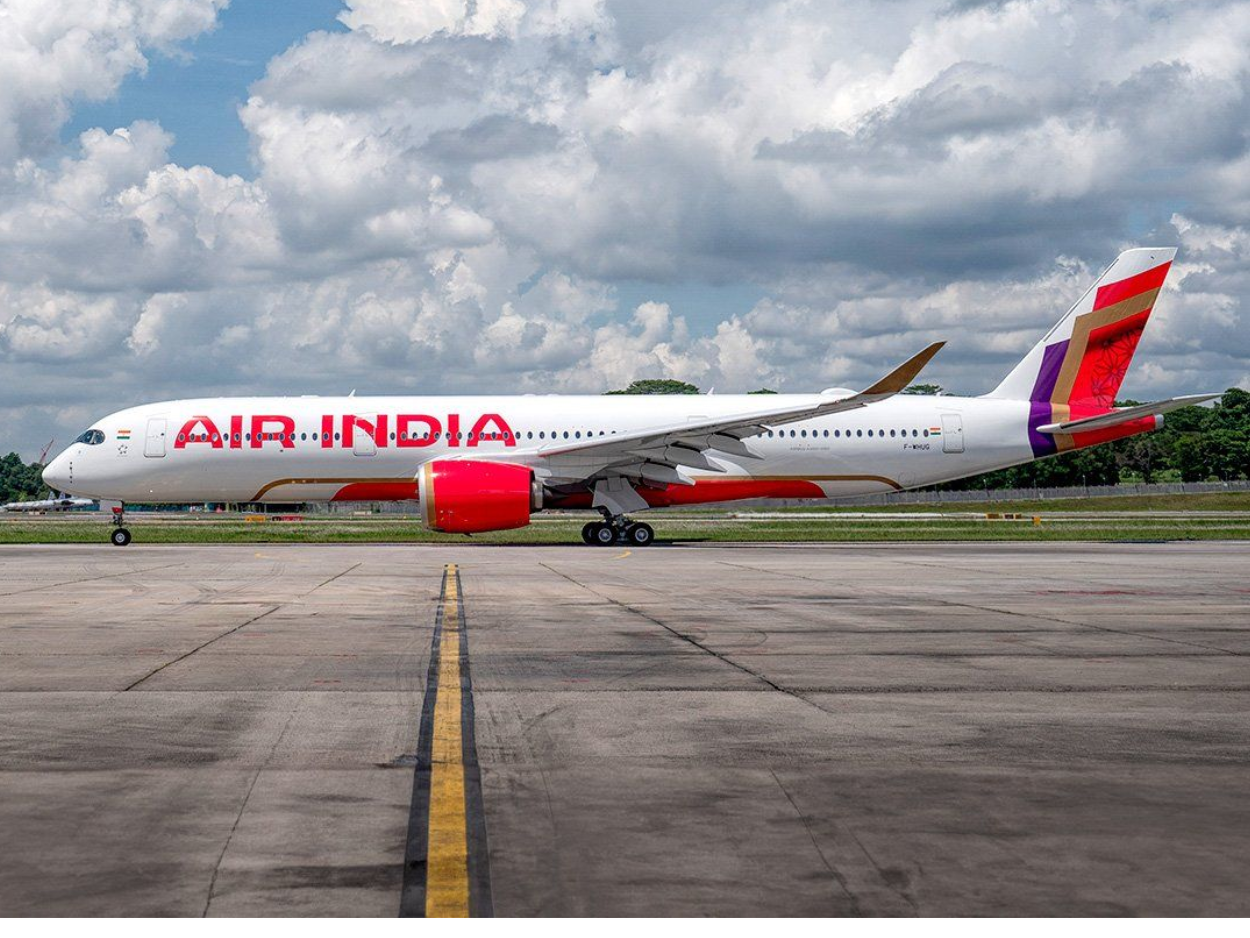
Air India is seeking approximately $1.5 billion in fresh equity from its owners, Tata Sons and Singapore Airlines, according to a Reuters report citing two people familiar with the matter. The request follows the airline posting a record annual loss and would rank among the largest publicly reported shareholder funding calls since Tata Group reacquired the airline in 2022.
Air India and its budget arm, Air India Express, together lost $2.33 billion in the fiscal year ended March more than double the prior year’s losses. The airline wants the funds immediately, though the infusion is likely to arrive in tranches, and Singapore Airlines, which owns roughly 25% of Air India, would need to contribute its proportionate share for the round to close. Discussions are ongoing, and sources say no decision has been made. Air India and Tata Sons did not respond to Reuters’ requests for comment; Singapore Airlines said it was “working closely with Tata Sons to support Air India’s transformation programme” but declined to comment on the airline’s finances.
The Number That Puts This in Perspective
Tata Sons paid ₹18,000 crore, or about $2.4 billion, to acquire full ownership of Air India from the Indian government in October 2021, taking on the carrier’s liabilities in the process. This single funding request, at $1.5 billion, now represents roughly 60% of what Tata paid to acquire the entire airline four years ago. That comparison is worth sitting with: it’s not simply a large number in isolation; it reflects how significantly the cost of the turnaround has outpaced what Tata’s original deal structure appeared to anticipate.
That gap was already visible in the original Tata-Singapore Airlines merger agreement from November 2022, when SIA committed to fund its 25.1% share of any additional capital injections needed through FY2022-23 and FY2023-24, structured around an implied ceiling of roughly $615 million for that period, funded from SIA’s own cash reserves. A single $1.5 billion request now years past that original window, with SIA’s pro rata share alone approaching $375 million, suggests the turnaround’s capital needs have run considerably ahead of what either party planned for when the ownership structure was first designed.
The Detail Most Coverage Is Missing: Leadership Tension Over These Very Losses
Here’s what makes this funding request more than a routine capital call: Tata Sons Chairman N. Chandrasekaran is reportedly preparing to step down in February 2026, following months of disagreement with the group’s controlling charitable trust disagreements reported to be partly over Air India’s mounting losses. That detail rarely appears alongside coverage of the funding request itself, but it changes how the request should be read.
A capital ask during a difficult multi-year transformation is not unusual on its own; legacy turnarounds are expensive, and Air India’s is genuinely large in scope. But a capital ask arriving at the same time as reported boardroom-level tension over exactly those losses is a different signal. It suggests the “is this transformation on track?” question isn’t just being asked by outside analysts; it may be under real internal scrutiny at the ownership level too. That’s a materially different read than treating this purely as “transformation is expensive, more funding needed,” which is how the request has mostly been covered.
Why the Losses Ballooned: It Wasn’t Only Internal
To be fair to the turnaround itself, not all of the cost pressure originated inside Air India’s own operations. The airline has been hit by Pakistan’s continued airspace ban on Indian carriers, disruption to its international network from the US-Israeli conflict with Iran affecting West Asian routing, and the lingering operational and reputational fallout from last year’s fatal crash. Route diversions from airspace restrictions alone translate directly into longer flight times, higher fuel burn and more complex scheduling costs that compound on top of, not instead of, the planned transformation spend on fleet refurbishment and systems overhaul.
That context matters for judging whether this is fundamentally a “controllable losses” problem or a “planned transformation colliding with genuinely bad external timing” problem. The honest answer is probably both, in proportions outside observers can’t fully verify from public reporting alone.
What the Money Is Actually For
The funding is intended to support Air India’s ongoing transformation programme, which includes refurbishing existing aircraft and overhauling legacy operational systems work that sits behind the more visible parts of the turnaround, like the airline’s large Airbus and Boeing orders. An airline’s operating reliability depends on a chain of less visible systems: maintenance infrastructure, spare-parts availability, digital operations, crew training and ground handling. New aircraft alone don’t fix an airline if the systems around them – engineering capability, MRO capacity, and digital infrastructure – haven’t modernised in parallel. That’s genuinely expensive, multi-year work, and it’s the legitimate core of why this capital request exists at all, separate from the governance question above.
The Real Test Ahead
Fresh equity gives Air India financial runway. It doesn’t, by itself, resolve whether the airline can convert that capital into a durable operational turnaround, lower losses, better reliability, and a stronger competitive position against IndiGo domestically. The more revealing question over the next year isn’t whether Tata Sons and Singapore Airlines approve this request. It’s whether Chandrasekaran’s succession, whatever prompts it, leads to a change in how aggressively or cautiously Air India’s ownership backs the next phase of an already expensive transformation.