

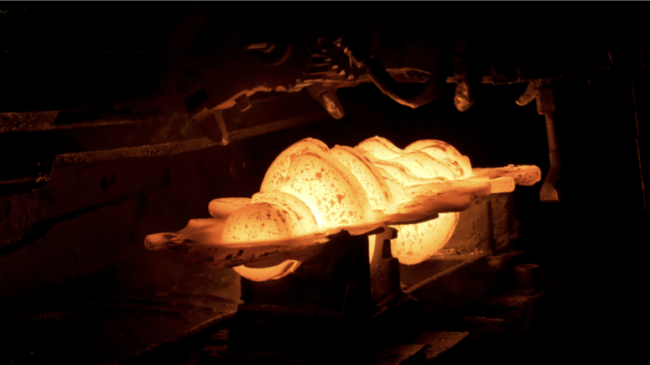
Heat treating is a critical process in die casting that significantly influences the
mechanical properties and performance of die-cast parts. By applying controlled heating
and cooling cycles, manufacturers can enhance the strength, hardness, and durability of
die-cast components, making them suitable for a wide range of demanding applications.
- Understand the alloy composition: Different alloys have unique characteristics and require specific heat treatment procedures. For example, aluminium alloys are commonly used in die casting and have distinct requirements compared to zinc or magnesium alloys. It is essential to understand the composition of the alloy you are working with and follow the appropriate heat treatment guidelines to achieve the best results.
- Use precise temperature control: Accurate temperature control is critical in the heat-treating process. Even slight deviations can result in undesirable changes in the material properties. Invest in high-quality, calibrated equipment to ensure precise temperature regulation. Using programmable controllers can help maintain consistent temperatures throughout the heating and cooling cycles.
- Preheat the parts: Preheating the die-cast parts before subjecting them to the main heat treatment cycle can prevent thermal shock and reduce the risk of cracking. Gradually raising the temperature of the parts ensures even heat distribution, minimising internal stresses and potential defects.
- Employ controlled cooling: Controlled cooling is as crucial as the heating phase. Rapid cooling can induce stress and lead to warping or cracking, while slow cooling might not achieve the desired hardness or strength. Use quenching techniques suitable for the specific alloy to ensure uniform cooling and optimal mechanical properties.
- Optimise soaking time: Soaking time refers to the duration the parts are held at the target temperature. This time allows the alloy to reach a uniform temperature and undergo the necessary transformations. Determining the appropriate soaking time is essential, as insufficient soaking can result in incomplete property changes, while excessive soaking can cause grain growth and reduce material strength.
- Consider solution heat treatment: Solution heat treatment involves heating the alloy to a high temperature and then rapidly cooling it to “freeze” its structure in a supersaturated solid solution. This process enhances the alloy’s mechanical properties and prepares it for subsequent ageing treatments. Solution heat treatment is particularly effective for aluminium alloys, improving their strength and ductility.
- Apply ageing treatments: Ageing treatments, also known as precipitation hardening, involve reheating the solution-treated parts to a lower temperature and holding them for a specific time. This process allows the formation of fine precipitates that strengthen the material. Ageing treatments can significantly enhance the hardness and wear resistance of die-cast parts.
- Monitor and test the results: Regularly monitor and test the heat-treated parts to ensure they meet the desired specifications. Conducting hardness tests, tensile strength measurements, and microscopic examinations can help identify any deviations from the expected results. Adjust the heat treatment parameters as needed to achieve consistent and optimal performance.
- Prevent oxidation and contamination: During heat treatment, parts are susceptible to oxidation and contamination, which can degrade their quality. Using protective atmospheres such as inert gases or protective coatings in these scenarios can minimise oxidation. Additionally, ensure that the parts are clean and free from contaminants before heat treating to avoid unwanted reactions.
- Maintain proper documentation: Documenting the heat treatment process, including temperature profiles, soaking times, and cooling rates is essential for quality control and traceability. Detailed records can help identify the root causes of any issues and provide a reference for future heat treatment operations.
Conclusion
Heat treating is a vital step in the die-casting process that significantly impacts the performance and
durability of cast parts. By understanding the specific requirements of different alloys and following
precise heat treatment procedures, manufacturers can achieve optimal mechanical properties and
enhance the overall quality of their die-cast components. Implementing these tips will help ensure
consistent and reliable results, leading to high-performance parts that meet the demands of various
applications.
This article has been published in TAGMA Times.