
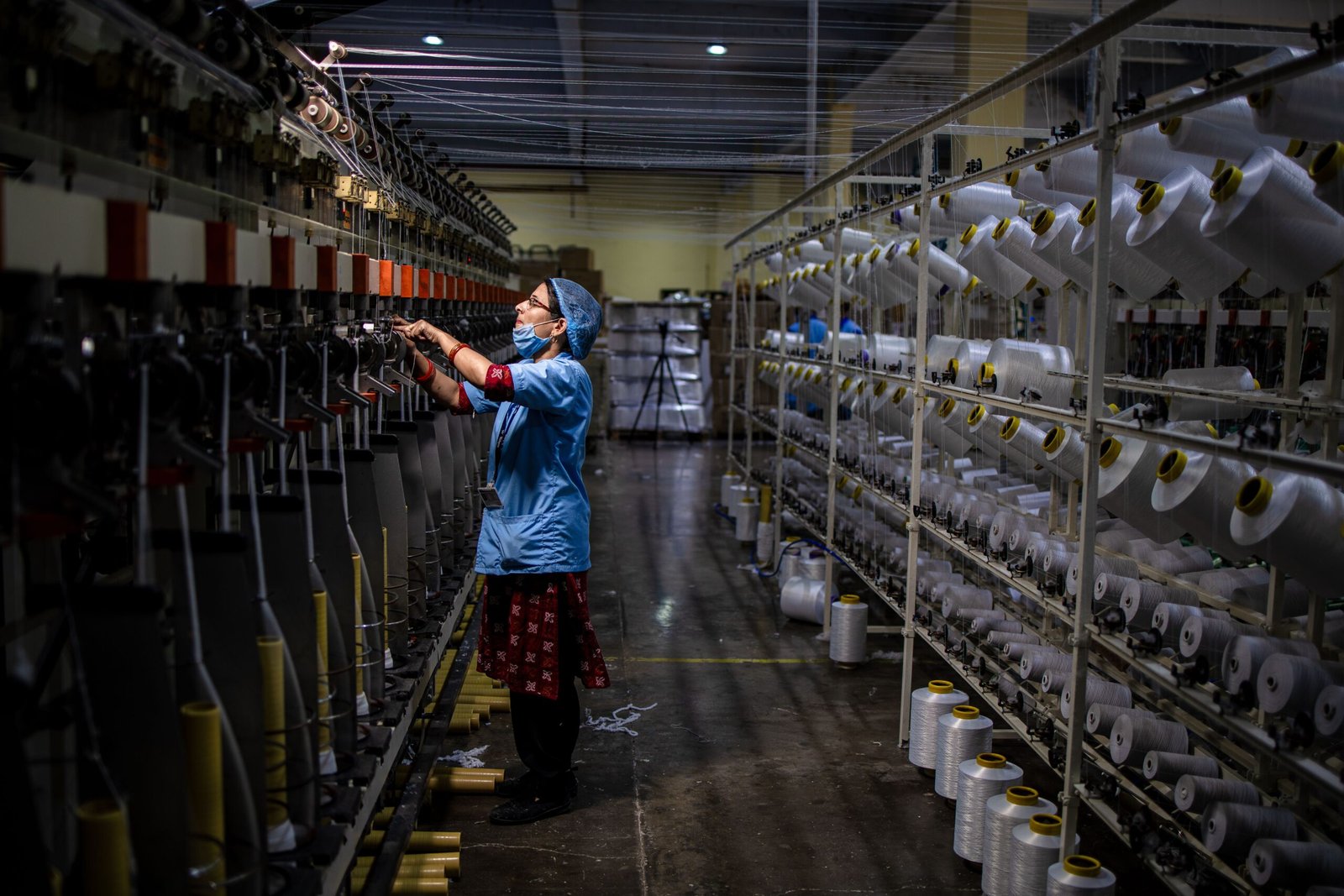
The partnership isn’t about connecting machines, it’s about turning factories into intelligent, software-driven enterprises. For decades, manufacturing competitiveness was largely defined by physical assets. Bigger machines, faster production lines and higher capacities often determined who led the market. Today, that equation is changing.
The partnership between Cisco and Rockwell Automation signals a transition that many manufacturers have anticipated but few have fully embraced, the move towards Software-Defined Manufacturing (SDM). Their collaboration combines industrial automation with enterprise networking, cybersecurity and digital infrastructure, supported by a reference architecture, a demonstration facility in Gurugram and a digital skills initiative for the manufacturing workforce.
At first glance, this may appear to be another technology collaboration. In reality, it reflects a much larger transformation in how factories will operate over the next decade.
Manufacturing has traditionally been hardware-centric. Machines generated data, but that data often remained isolated within individual production cells. Software-defined manufacturing changes this model by treating the factory as an integrated digital system, where machines, quality systems, enterprise software and supply chains communicate in real time.
The implications extend far beyond factory automation. As manufacturers begin adopting software-defined operations, demand will increase for industrial networking, cybersecurity, edge computing, AI-driven analytics, cloud platforms, sensors and industrial software. System integrators, machine builders, automation companies, robotics suppliers and industrial OEMs will all find new opportunities as factories become increasingly connected.Perhaps the biggest opportunity lies with Indian MSMEs.
Large manufacturers are likely to lead this transition, but their suppliers will eventually need to integrate with the same digital ecosystems to remain competitive. Machine health, production traceability, quality records and delivery schedules will increasingly become shared digital information rather than isolated reports.
This also changes the workforce.
The factory of the future will require engineers who understand both operational technology (OT) and information technology (IT). Skills in industrial networking, cybersecurity, AI and manufacturing software could become just as valuable as expertise in PLC programming or machine maintenance.
The partnership also aligns with a broader trend. As India positions itself as a global manufacturing destination through initiatives in semiconductors, electronics, defence and advanced engineering, digital infrastructure is becoming just as critical as physical infrastructure.
The real story, therefore, isn’t that Cisco and Rockwell Automation have announced a partnership. It’s that software is steadily becoming the operating system of modern manufacturing, and Indian factories are preparing for that transition.