
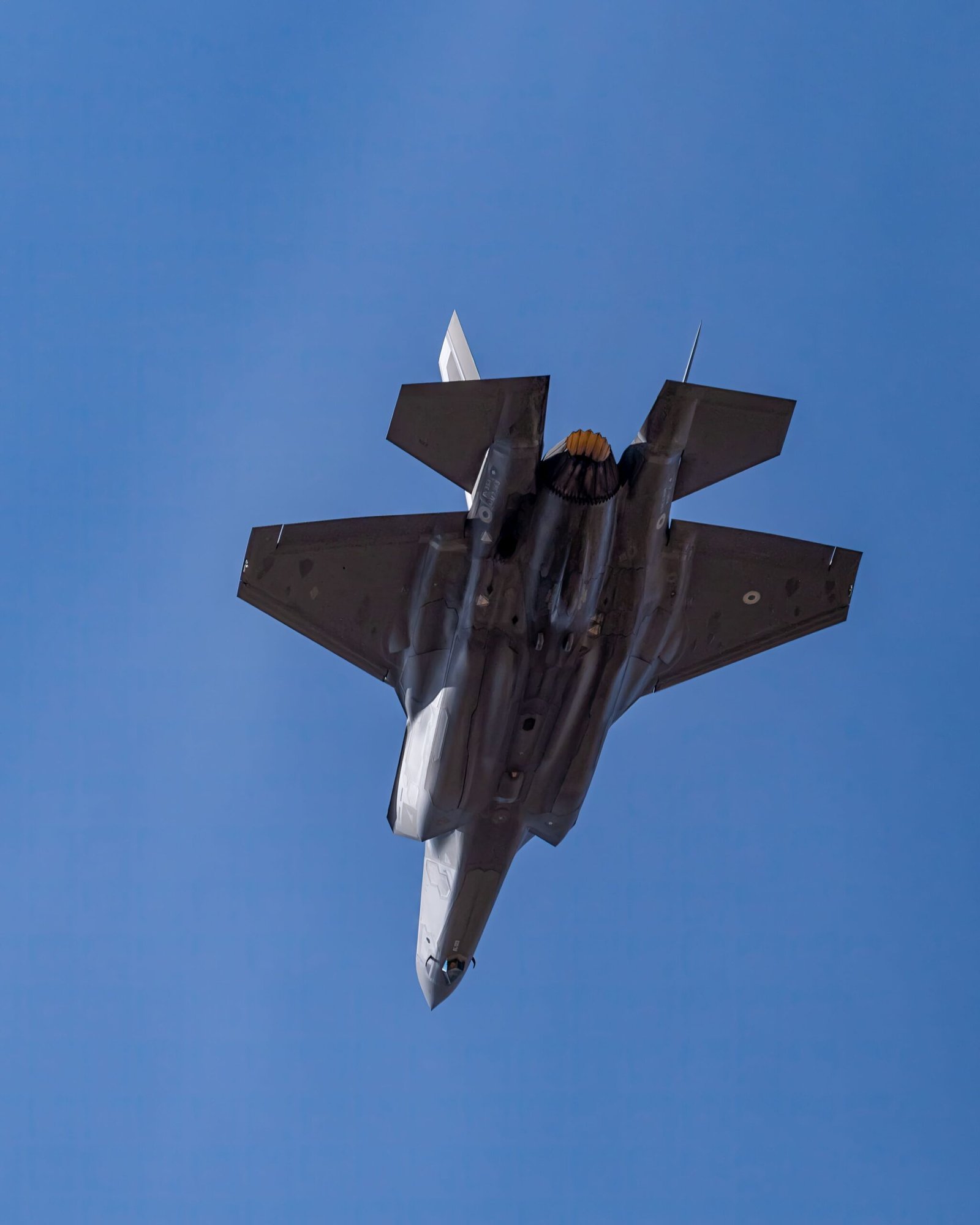
When India’s Defence Acquisition Council approved procurement proposals worth nearly ₹52,000 crore, the immediate focus was naturally on strengthening the armed forces. Air defence systems, anti-drone technologies, surveillance platforms, anti-tank missiles and advanced unmanned systems will significantly enhance operational readiness across the Army, Navy and Air Force.
But defence procurement has another, often overlooked, dimension. It is also one of the country’s most powerful industrial development tools.
Unlike conventional infrastructure spending, defence programmes demand some of the highest levels of engineering precision. They require advanced electronics, precision machining, composite materials, specialised alloys, embedded software, sensors, testing facilities, metrology, automation and highly reliable manufacturing processes.
Every major procurement programme creates demand that extends well beyond the prime contractor. Tier-1 suppliers expand production. MSMEs develop specialised components. Toolmakers manufacture precision fixtures. Electronics companies build control systems. Material suppliers invest in new capabilities. Testing laboratories upgrade infrastructure. Universities and research organisations find opportunities for collaborative innovation.
The ripple effect often lasts much longer than the procurement cycle itself.
History offers several examples. Technologies originally developed for defence, including CNC controls, advanced composites, satellite navigation and additive manufacturing, eventually found applications across aerospace, automotive, healthcare and industrial manufacturing.
India’s increasing emphasis on indigenous procurement could accelerate a similar cycle. As domestic companies gain experience manufacturing sophisticated defence systems, many of those capabilities become transferable to civilian industries. Aerospace suppliers move into aviation. Electronics manufacturers diversify into industrial automation. Material innovations find applications in automotive and energy sectors.
The significance of this latest approval therefore extends beyond military preparedness. It reflects India’s growing confidence in building advanced engineering capabilities within the country. As defence manufacturing scales, it strengthens an ecosystem that supports precision manufacturing, technology development and industrial innovation across multiple sectors.
The real outcome of a ₹52,000 crore defence programme may not only be measured in new military platforms. It may also be measured in stronger supply chains, more capable manufacturers and a broader industrial base that continues creating value long after the equipment enters service.