
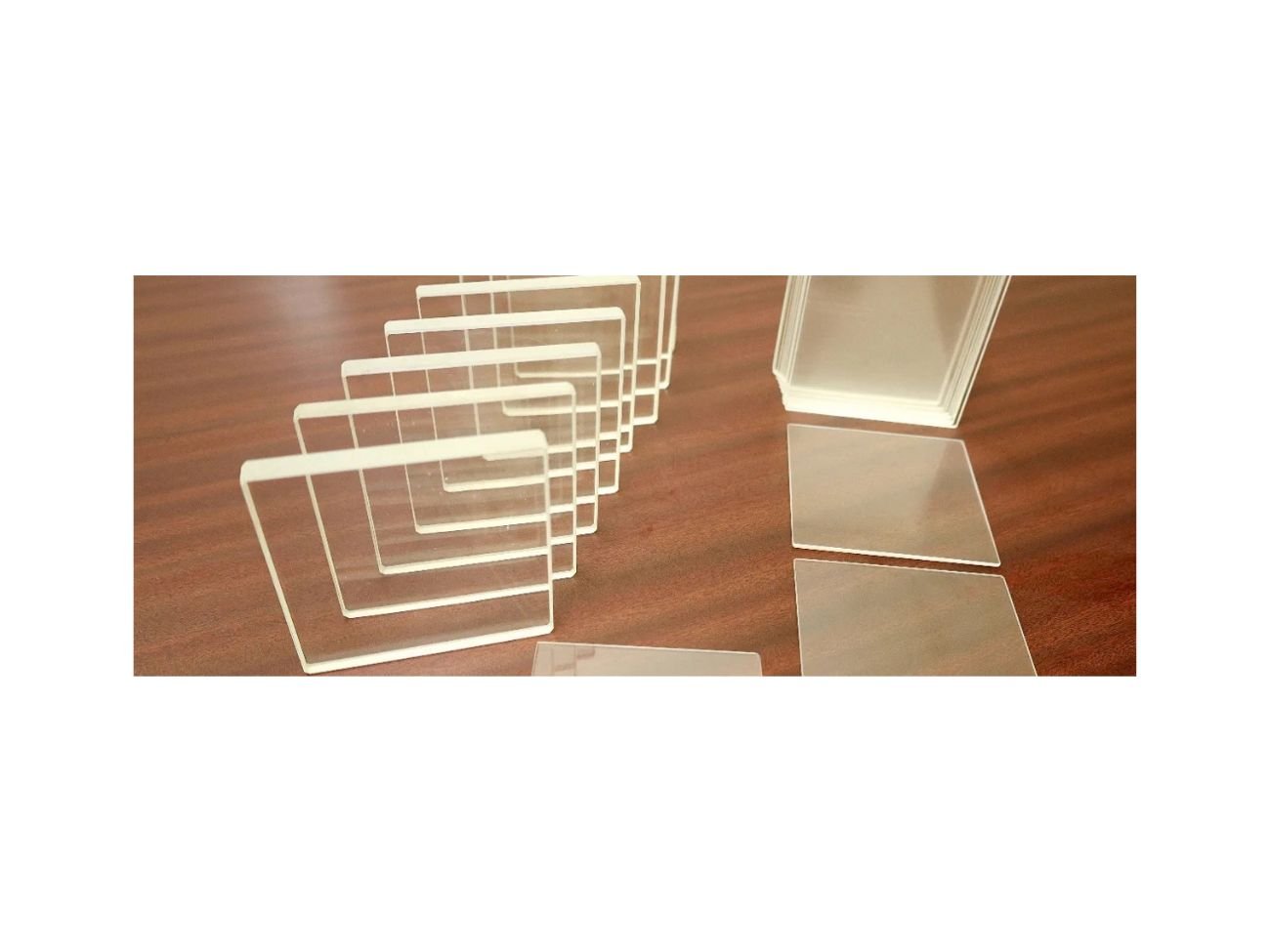
The Defence Research and Development Organisation (DRDO) has partnered with CSIR-Central Glass and Ceramic Research Institute (CSIR-CGCRI) on a ₹50-crore project to develop indigenous advanced lightweight bulletproof glass for armoured vehicles.
The four-year project, being carried out with DRDO laboratories including the Naval Materials Research Laboratory (NMRL) in Maharashtra and Terminal Ballistics Research Laboratory (TBRL) in Chandigarh, is at an advanced stage. The project aims to take the technology from laboratory development to large-scale manufacturing through an industry partner to be selected by DRDO.
The technology is being developed as an alternative to imported transparent armour, with the objective of reducing its weight and thickness by 30–50 per cent. According to CSIR-CGCRI Director Bikramjit Basu, the ₹50-crore project is focused on developing indigenous bulletproof glass technology for defence applications and aligning research capabilities with national strategic requirements.
The project focuses on advanced transparent glass-ceramics capable of providing multi-shot ballistic protection while being lighter and thinner than conventional transparent armour used in armoured vehicles. According to project leader Atiar Rahaman Molla, Scientist-F, Specialty Glass Division, CSIR-CGCRI, the technology is being developed to withstand direct AK-47 rifle fire from a distance of 100 metres, with testing based on defined velocity requirements under BIS V and VI standards.
The material uses a glass-ceramic structure in which nanometre-sized crystals are uniformly dispersed within an engineered glass matrix. These crystals are produced through controlled crystallisation of precursor glass and are designed to improve strength and toughness while maintaining transparency.
Initial ballistic trials conducted at DRDO-TBRL in Chandigarh demonstrated that the material could stop rounds fired from a Trichy Assault Rifle (TAR), a rifle comparable to the AK-47, from a distance of 10 metres at a velocity of approximately 695 metres per second.
The next stage will involve multi-shot testing, where multiple rounds will be fired in quick succession to evaluate the material under more demanding ballistic conditions, Basu said.
Reducing the weight and thickness of transparent armour is particularly important for armoured vehicles, where heavy protection systems can increase overall platform weight and affect mobility, fuel efficiency and payload capacity. The technology could also find applications in other weight-sensitive defence platforms, including aircraft and naval systems, as well as security and critical infrastructure applications.
CSIR-CGCRI has been developing high-strength transparent glass-ceramics for armour applications through its Specialty Glass Division. The project is also expected to support the transition from laboratory-scale development to commercial production through industry participation, with Indian companies having expressed interest in exploring commercial applications of the technology.
The development is part of efforts to build indigenous advanced-material capabilities for defence applications and reduce dependence on imported transparent armour technologies.