
HCLTech and Japan-based Rapidus Corporation have inaugurated two development centres in India to support Rapidus’ semiconductor engineering requirements. The centres are located in Bengaluru and Hubli, Karnataka.
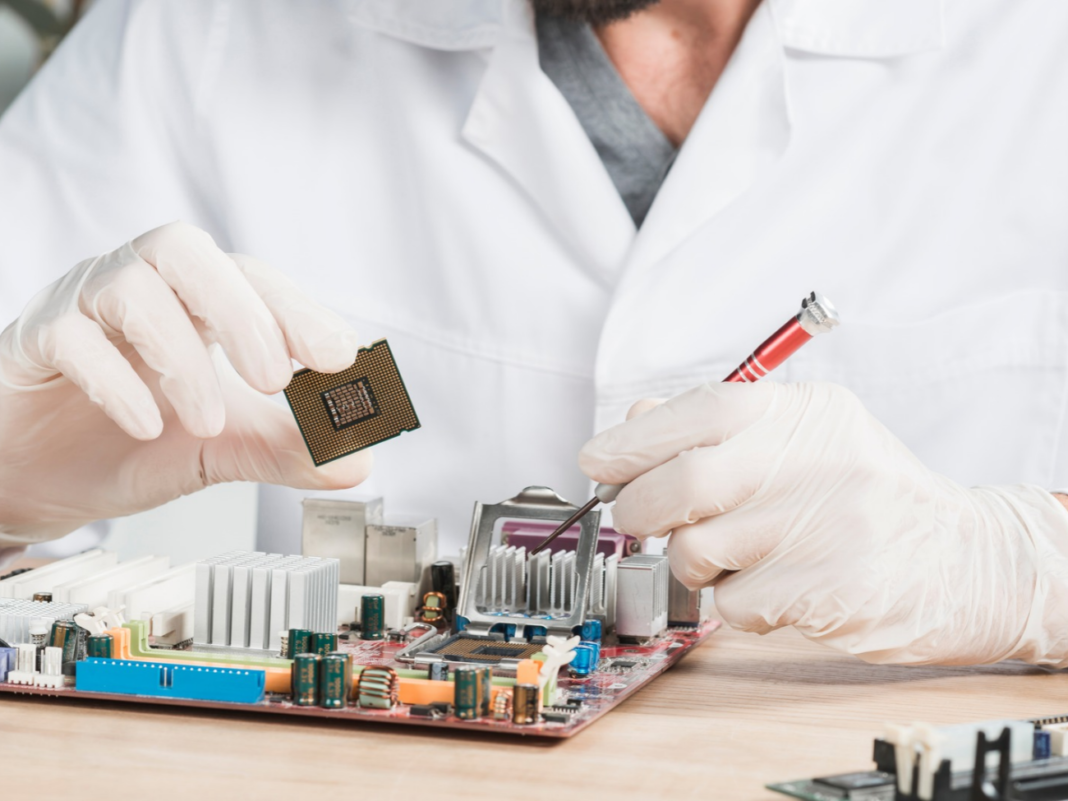
The facilities will provide semiconductor engineering services, including mask design, design infrastructure, process design kit development, design technology co-optimisation and layout design. The centres will draw on HCLTech’s engineering capabilities to support Rapidus as it develops and manufactures advanced logic semiconductors.
The two companies will also collaborate to develop a pipeline of Indian engineering talent to meet Rapidus’ evolving workforce requirements in Japan.
The initiative is expected to create opportunities for Indian engineers in advanced semiconductor design and engineering, while strengthening India’s role in the global semiconductor supply chain.
“Building a strong engineering ecosystem is essential as Rapidus advances our mission to establish next-generation semiconductor manufacturing capabilities in Japan,” said Dr. Atsuyoshi Koike, Representative Director and CEO, Rapidus Corporation. “Through this collaboration with HCLTech, we expect to access India’s growing pool of semiconductor engineering talent and establish dedicated development capabilities that complement our operations in Japan. We look forward to working together to develop the technical expertise and resources needed to support our long-term objectives.”
“Advanced semiconductors will define the technologies of the next decade,” said C Vijayakumar, CEO and Managing Director, HCLTech. “This partnership reflects the growing strategic collaboration between Japan and India, bringing together Rapidus’ next-generation semiconductor ambitions with HCLTech’s engineering expertise to accelerate chip adoption, compress time-to-market and lay the foundations for the next era of semiconductor innovation.”
(Only the headline and picture of this report may have been reworked by the Manufacturing Tales staff; the rest of the content is auto-generated from a syndicated feed.)