
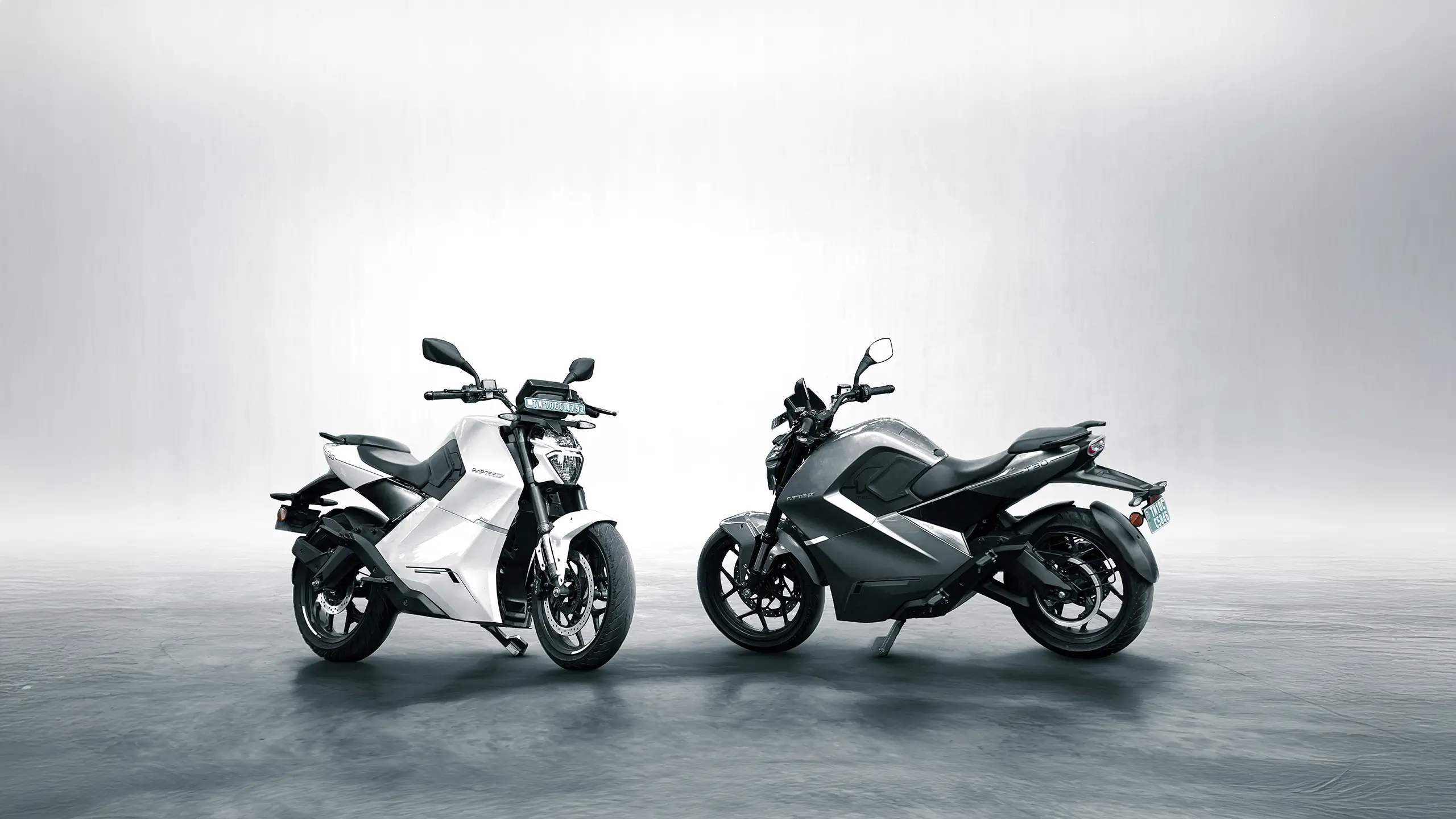
The positive change for the Indian EVs is that the electric vehicle companies move from innovation to production, the focus is shifting from developing technology to building complete manufacturing ecosystems.
India’s electric vehicle story has largely been driven by one question: Can Indian companies build competitive EV products?
The next phase will be defined by a much harder question: Can these companies manufacture them reliably, efficiently and at scale?
Raptee.HV’s plan to increase electric motorcycle production capacity reflects this important transition. The Chennai-based EV startup is targeting production of around 1,500 motorcycles in FY27 and aims to reach a capacity of approximately 16,000 units by FY28 as it expands its manufacturing operations and market presence.
The numbers may appear modest compared to established two-wheeler manufacturers, but the significance lies elsewhere.
For emerging EV companies, the journey from prototype to mass production is one of the biggest challenges. Developing an electric motorcycle requires expertise across multiple manufacturing domains, battery systems, power electronics, motor technology, thermal management, embedded software, precision machining and vehicle assembly.
Unlike traditional automotive manufacturing, EV production brings a new layer of suppliers and technologies into the ecosystem.
This creates opportunities beyond the vehicle manufacturer itself.
As companies like Raptee.HV scale production, demand increases for specialised components such as battery enclosures, electronic systems, connectors, lightweight structures, precision-machined parts, testing systems and advanced manufacturing solutions. Tooling companies, automation providers and component manufacturers will play a crucial role in helping EV companies transition from low-volume production to repeatable manufacturing.
This is where India’s EV opportunity becomes larger than vehicle sales.
The strongest EV ecosystems globally were not built only by automobile companies. They were built through a network of suppliers, technology companies, manufacturing partners and research capabilities working together.
India is gradually moving towards this stage. The shift from internal combustion engines to electric mobility requires more than replacing an engine with a battery pack. It requires a completely new manufacturing philosophy focused on electronics integration, software capability, precision production and supply-chain resilience.
For startups, scaling production is not simply about producing more vehicles.
It is about proving that India’s emerging EV ecosystem can deliver consistent quality, competitive costs and reliable manufacturing performance. Raptee.HV’s expansion represents a small but important step in that direction. The future of electric mobility in India will not only depend on how many EVs are sold. It will depend on how effectively India can manufacture them.
Beyond the Headline
Raptee.HV’s production targets highlight a larger transition happening across India’s EV sector. The industry is moving beyond innovation and early adoption towards the more complex phase of manufacturing scale, where supply chains, production systems and industrial capabilities determine long-term success.
The Ripple Effect
EV manufacturing growth can create opportunities across battery components, electronics manufacturing, precision engineering, tooling, automation, testing equipment, software integration and charging infrastructure. As more EV companies scale production, India’s traditional automotive supplier ecosystem will also need to evolve towards electric mobility requirements.
The EV race will not only be won by companies building better vehicles. It will be won by ecosystems capable of manufacturing them at scale.