
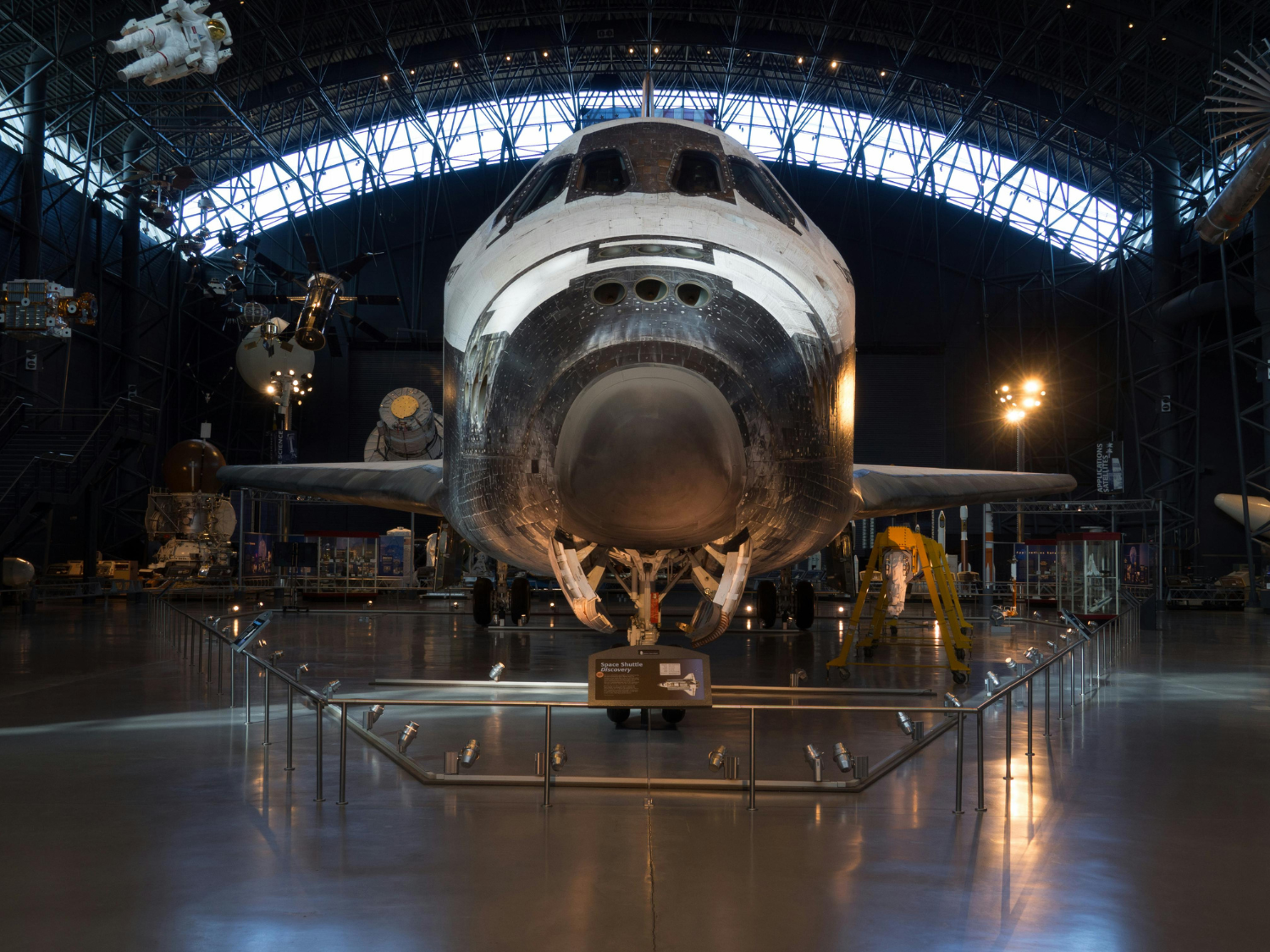
Karnataka has identified land in Hoskote, near Bengaluru, for a proposed space manufacturing cluster intended to bring together space technology manufacturing, assembly, integration, testing, research and innovation under one ecosystem. The proposed cluster is designed to connect startups and MSMEs with larger companies, research institutions and technology providers.
Policy Background
The initiative sits within the Karnataka Space Technology Policy 2025-30, approved by the state Cabinet, which offers incentives worth ₹225 crore and targets training 50,000 professionals for the space sector while aiming to attract $3 billion in investment for manufacturing, assembly, integration and testing activity in the state. The policy explicitly provides for a “Space Manufacturing Park” designed to bring industrial units together and give them shared, affordable access to testing facilities, test beds and design, manufacturing, assembly and integration centres for space systems, subsystems and components. The policy also commits to supporting 500 Karnataka-based startups and MSMEs through grants and financial assistance.
According to the policy document, India’s space sector is projected to be valued at $44 billion by 2033, including $11 billion in exports; Karnataka is targeting roughly half of that national figure, around $22 billion, for itself.
The state has separately moved on adjacent pieces of this ecosystem. In August 2025, the Department of Space confirmed to Parliament that IN-SPACe had signed two MoUs with the Karnataka government, one supporting the Centre of Excellence (CoE) for Space Technology and the other for setting up a Space Manufacturing Hub in the state, with the exact cluster location left for the state government to determine. In May 2026, Karnataka launched the CoE SpaceTech Foundation in Bengaluru through the Karnataka Innovation and Technology Society in partnership with the Satcom Industry Association India (SIA-India), intended to combine research, prototyping, testing infrastructure, startup incubation and skill development across the space value chain.
Why Hoskote
Hoskote already carries an existing industrial and aerospace-adjacent profile. The area, developed in part by the Karnataka Industrial Areas Development Board (KIADB), hosts manufacturers including Indo-MIM, which produces precision metal components for aerospace and medical device applications, and Mahindra Aerospace. Hoskote’s KIADB zones offer large-format industrial plots suited to manufacturing activity requiring bigger floor plates and separation distances, and the area sits along the Satellite Town Ring Road corridor connecting it to Devanahalli and Bengaluru’s airport.
Karnataka’s broader position in India’s space sector is already established: the state hosts more than 2,500 companies that serve as vendors to ISRO, and its space-focused startups have collectively drawn significant venture investment, according to the state’s own policy documentation.
What the Cluster Model Is Intended to Address
Space-grade component manufacturing carries unusually demanding requirements around reliability, tight tolerances, specialised materials and extensive testing, capabilities that are expensive for individual startups and smaller manufacturers to build independently. A shared cluster model is designed to lower that entry barrier by pooling testing infrastructure, common facilities and supplier access across companies operating in the same location, rather than requiring each company to replicate qualification-grade infrastructure on its own.
About the Policy: The Karnataka Space Technology Policy 2025-30 is a state government framework aimed at building manufacturing, assembly, integration and testing capacity for the space sector in Karnataka, developed in coordination with IN-SPACe, the Department of Space, and industry bodies including SIA-India.